
ཤེས་རིག་དང་རིག་རྩལ་གོང་འཕེལ་ལྷན་ཁག།
Ministy of Education and Skills Development

Accessible Digital Textbooks (ADT)
In partnership with the UNICEF Bhutan
Every child deserves to read, learn, and take part in the classroom in the same way as their peers. Through the Accessible Digital Textbook (ADT) initiative, the Ministry of Education and Skills Development (MoESD), with support from UNICEF Bhutan, is making this a reality for children with and without disabilities across the country.
What is an Accessible Digital Textbook?
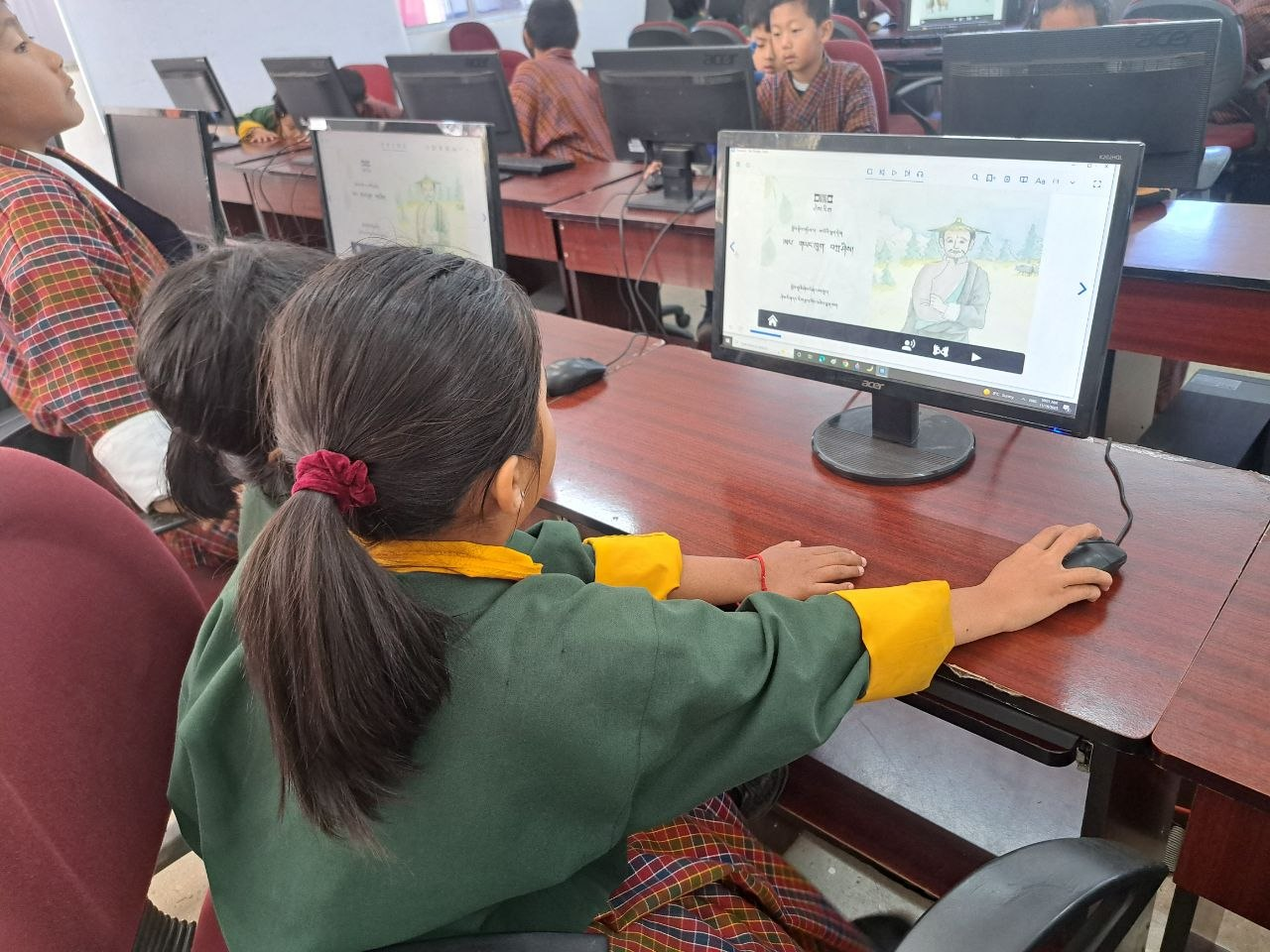
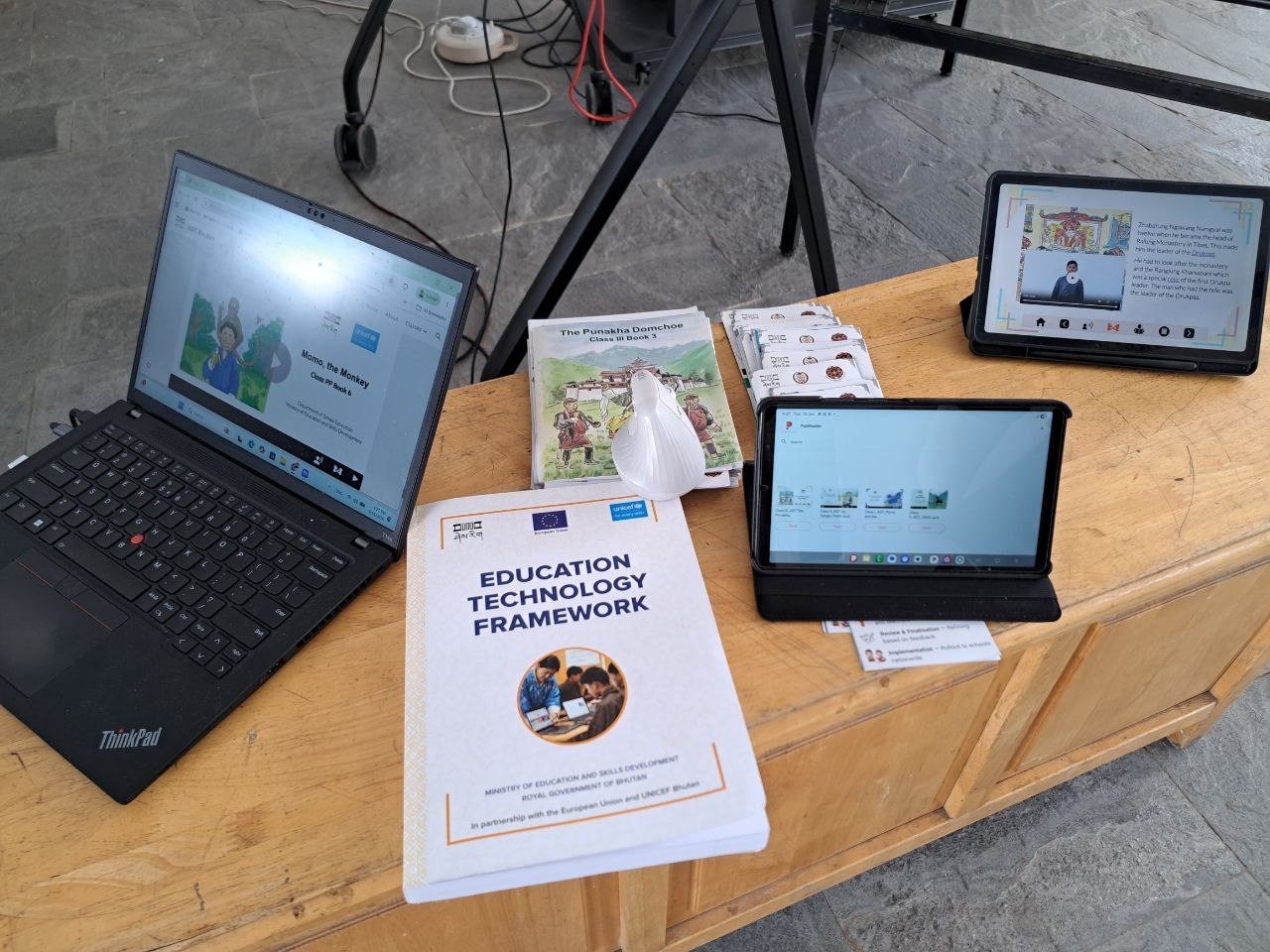
An ADT is a digital version of a national curriculum textbook, developed using Universal Design for Learning (UDL) principles so that one book works for every learner. Each ADT combines narrated audio, Bhutan Sign Language (BhSL) video, image descriptions, easy-read text, a glossary, and interactive activities — allowing every student to access the very same story and lesson as their classmates, in the format that works best for them. ADTs work both online and offline
Why It Matters
Globally, an estimated 240 million children live with disabilities. 47% of the children are more likely to be out of primary school and 49% more likely to have never attended school. Similarly, Bhutan has 1,822 children with disabilities enrolled across 50 inclusive schools.
Printed textbooks remain out of reach for many children with visual or hearing impairments. ADTs remove this barrier by providing inclusive, interactive, and accessible learning materials. Evidence from the Bhutan pilot shows that ADTs not only improve access for children with disabilities but also enhance engagement and active participation for all students, creating a more inclusive and effective classroom environment.
ADT Journey
The table below shows the journey of the ADT project in Bhutan:
|
Date
|
Programs
|
|---|---|
|
Sept 2024
|
Initiated ADT with Technical Workshop
|
|
Nov 2024
|
User testing at Muenseling Institute and Wangsel Institute
|
|
Refinement and development ADT prototypes based on feedback
|
|
|
July 2025
|
Teacher training and piloting in 19 schools
|
|
Jan 2026
|
Development of storyboard for additional class PP-III readers.
|
|
May 2026
|
Development of additional ADT
|
Findings from Pilot Program
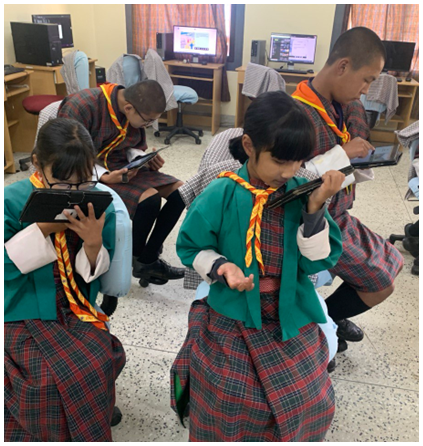
Following key findings were noted after completing the piloting in 19 schools through classroom observation and focus group discussions:
- All 19 pilot schools recommended ADT be expanded to more readers and textbooks.
- ADT improved classroom engagement and confirmed that ADT benefits learners.
- School leadership, ICT support, and ongoing mentoring — were the strongest drivers of success.
What's Next
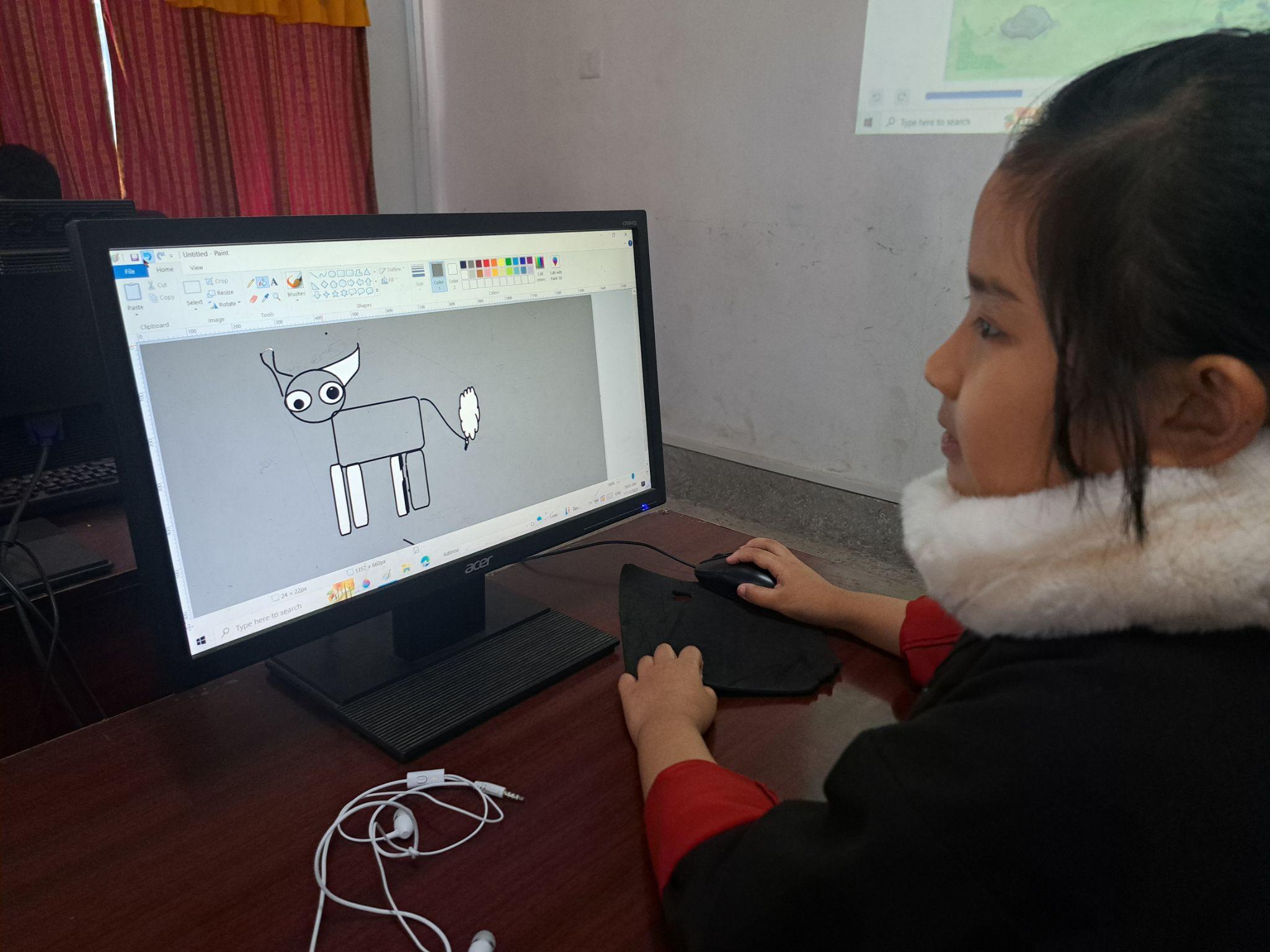
- Ensure ADTs are made accessible through multiple platforms, including online access via the MySherig LMS and Google Sites, as well as offline access through mobile devices and desktop computers.
- Expand training and orientation on ADTs to all Chief District Education Officers (CDEOs), school principals, and teachers of inclusive schools.
- Establish partnerships with the two Colleges of Education to embed ADT-related knowledge and skills into pre-service teacher training programmes.
- Extend the development of ADTs to cover curriculum textbooks across different subjects and grade levels.
National Recognition
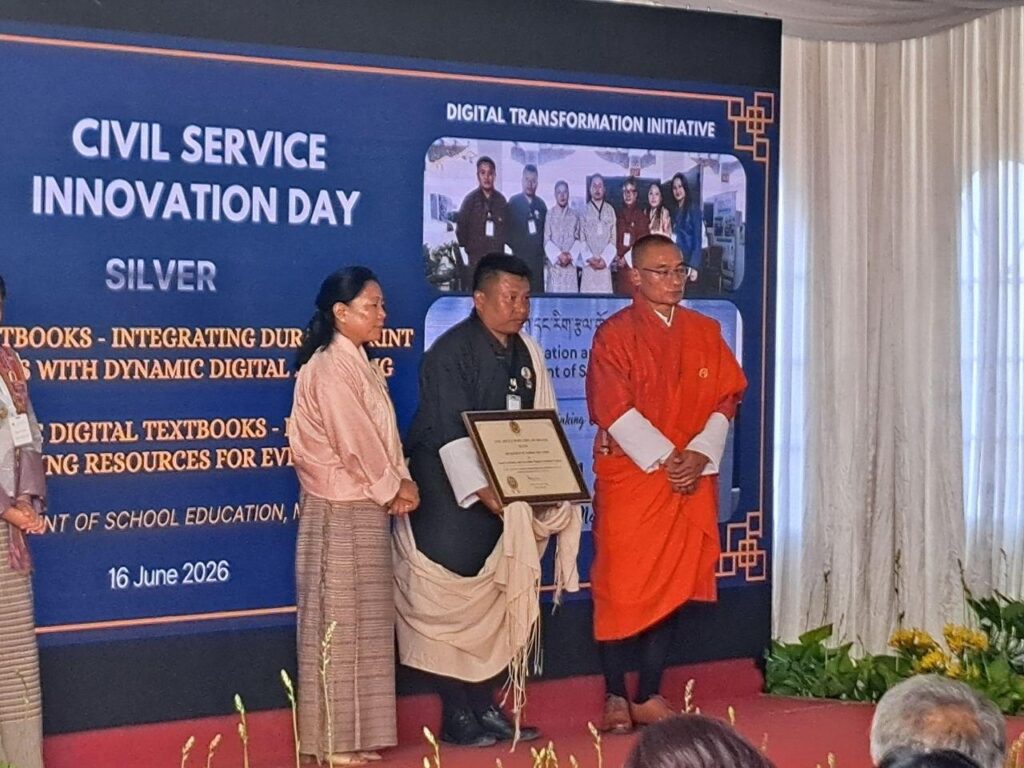
On 16 June 2026, the ADT / “Smart Textbook” project — developed by the Department of School Education, MoESD, with support from UNICEF Bhutan — was awarded the Silver Award at the Royal Civil Service Commission’s Civil Service Innovation Day, under the theme “Innovating for Digital Transformation” The award recognises the initiative’s contribution to inclusive, accessible learning resources for every child in Bhutan.
Mode of Access
Online Google Site Link: https://sites.google.com/moesd.gov.bt/adt/home
Ministry of Education & Skills Development
- MoESD, Peling Lam, Kawajangsa, Thimphu, Bhutan
- Postal Code: 11001
- P.O. Box: 112
ICT Services
Important Links
- RENEW
- G2C Services
- Ministry of Health
- Ministry of Finance
- Audit Clearance System
- Asset Declaration System
- Zhiyog Electronic System (ZESt)
- Security Clearance System
- Department of Revenue & Customs
- Government Inventory Management System
- Ministry of Agriculture and Livestock
- Ministry of Industry, Commerce and Employment