They could not hear her speech about leadership. But they felt her hug. They could not hear the sizzle of their own cooking. But she tasted their food anyway. At the National Scout Jamboree 2026, two boys asked for a picture with their hands. The Minister of Education answered with her heart. No words were needed. No words were ever louder.
They could not hear her speech about leadership, but they felt her presence. They could not hear the rustle of movement around them, but they understood every glance she gave. At the National Scout Jamboree 2026, two young men asked for a picture in the only language they knew in that moment, their hands moving with quiet hope. The Minister of Education and Skills Development answered without hesitation. Not with words, but with something far more human.
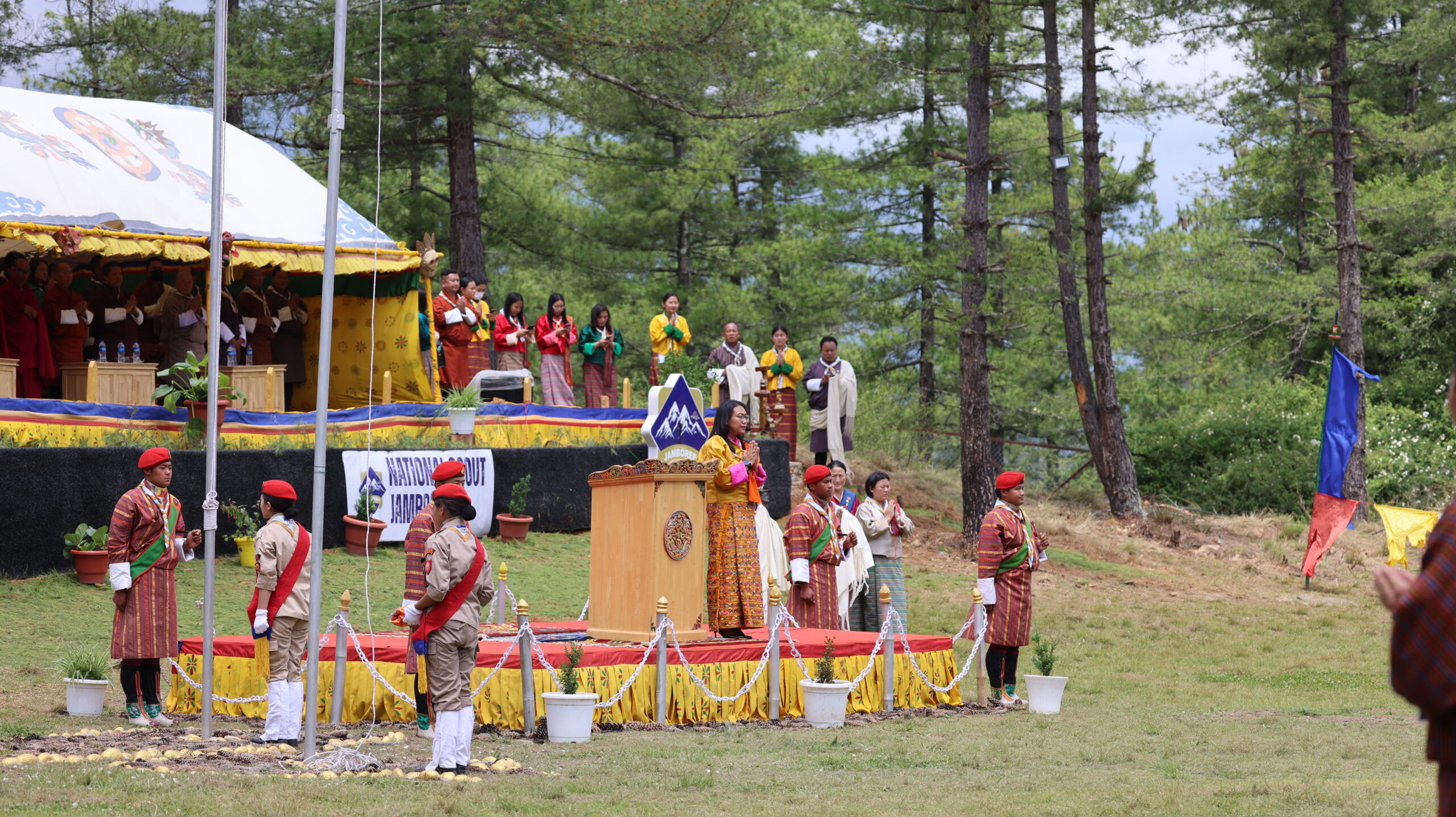
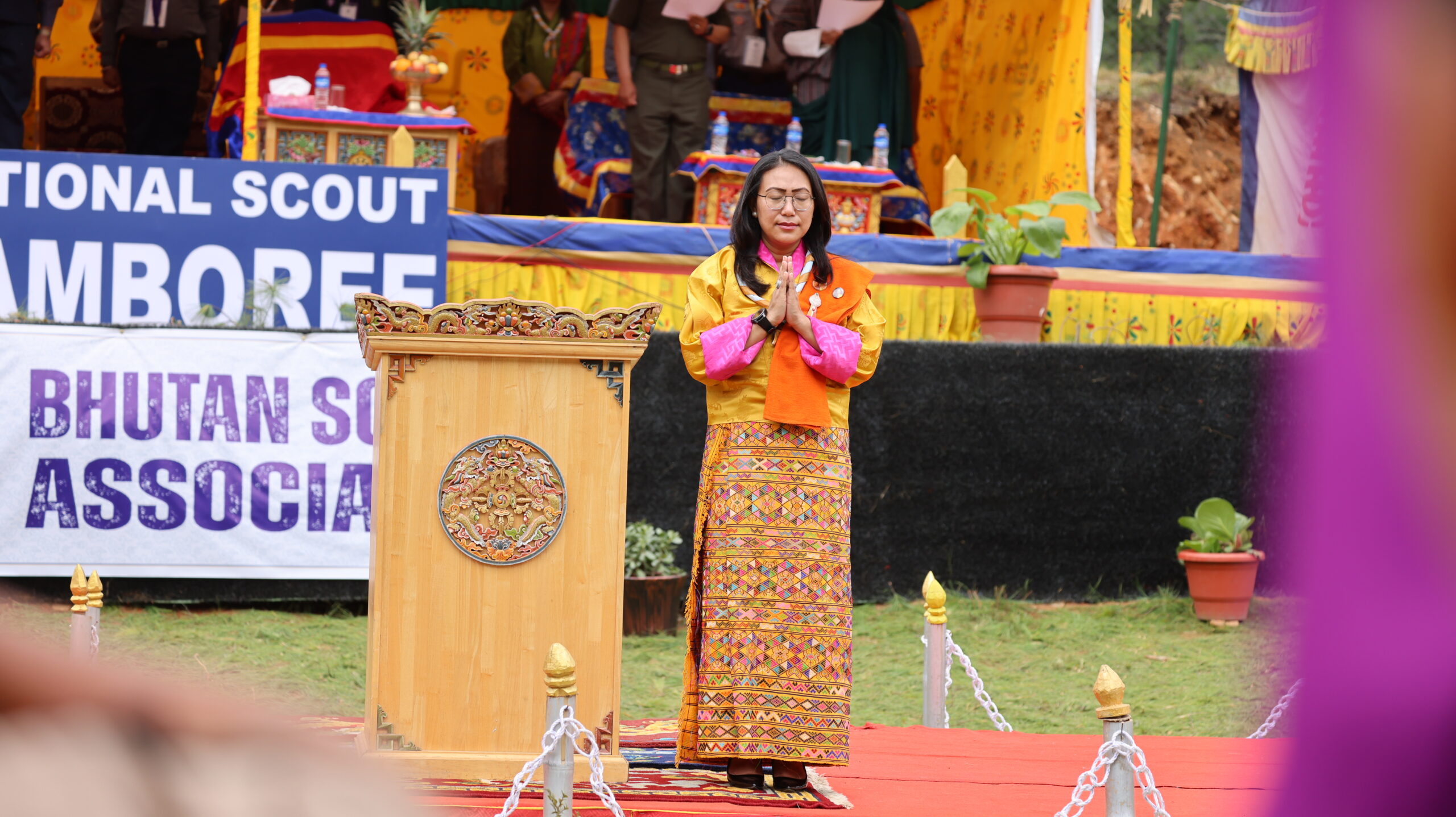
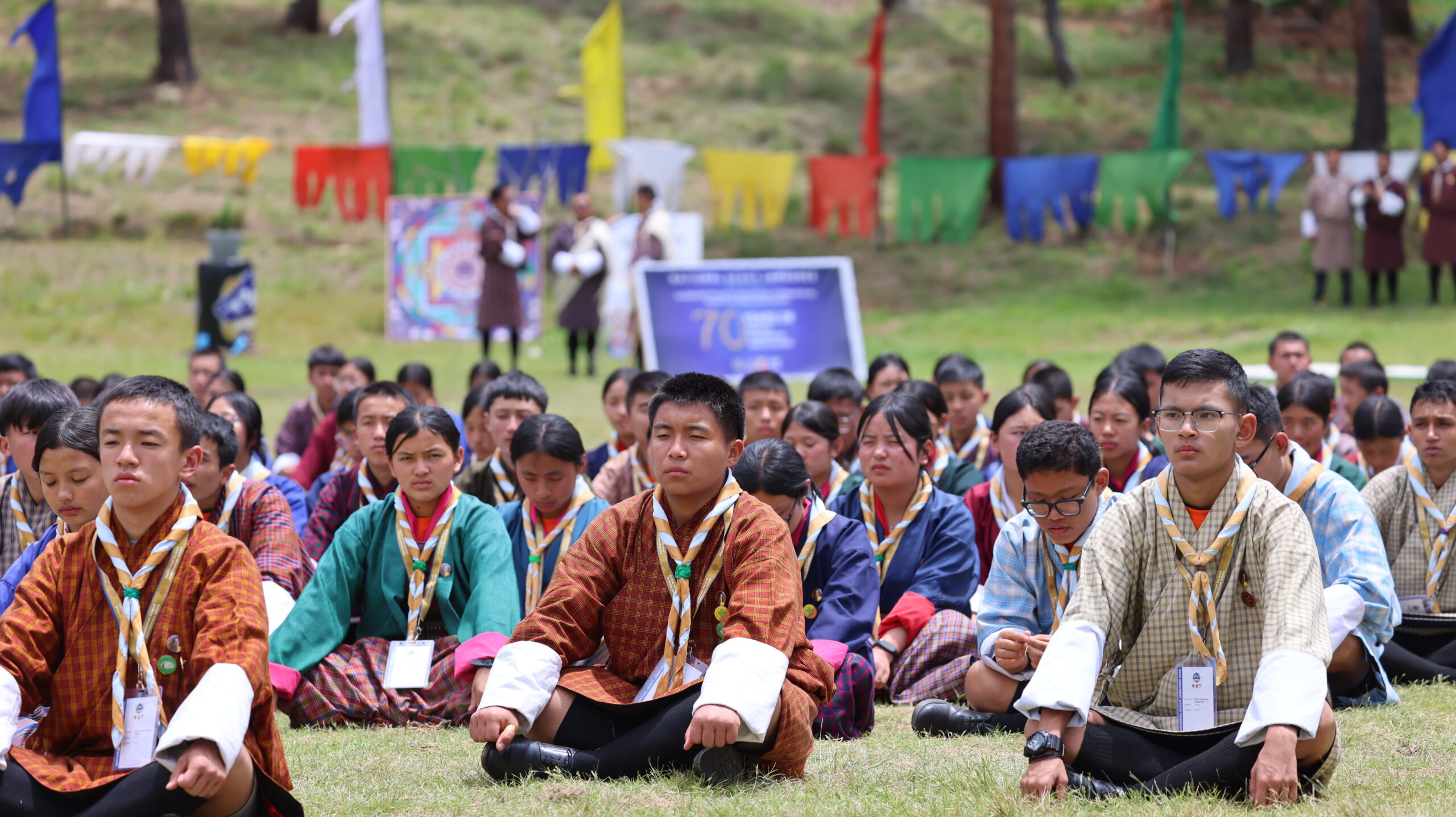
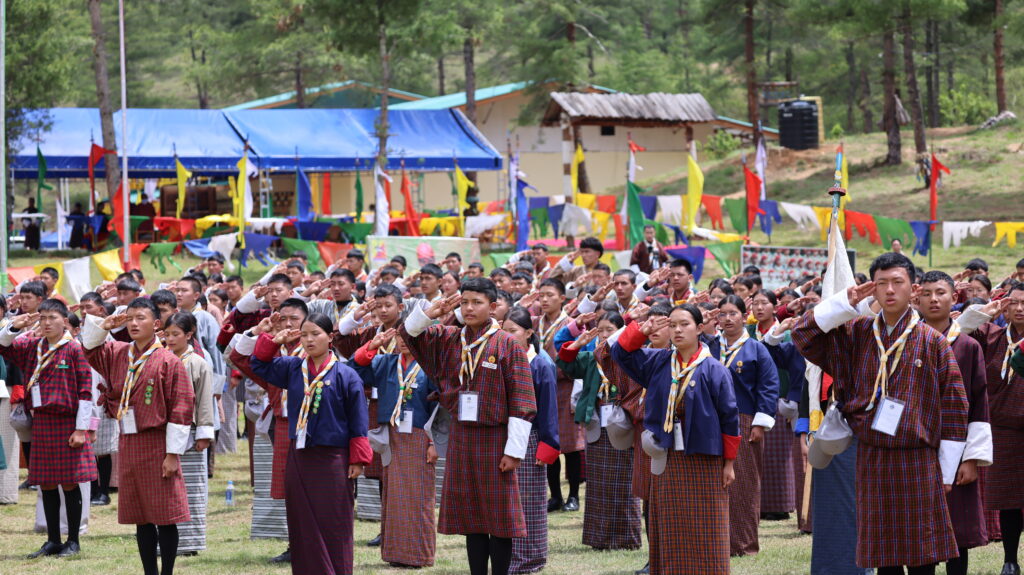
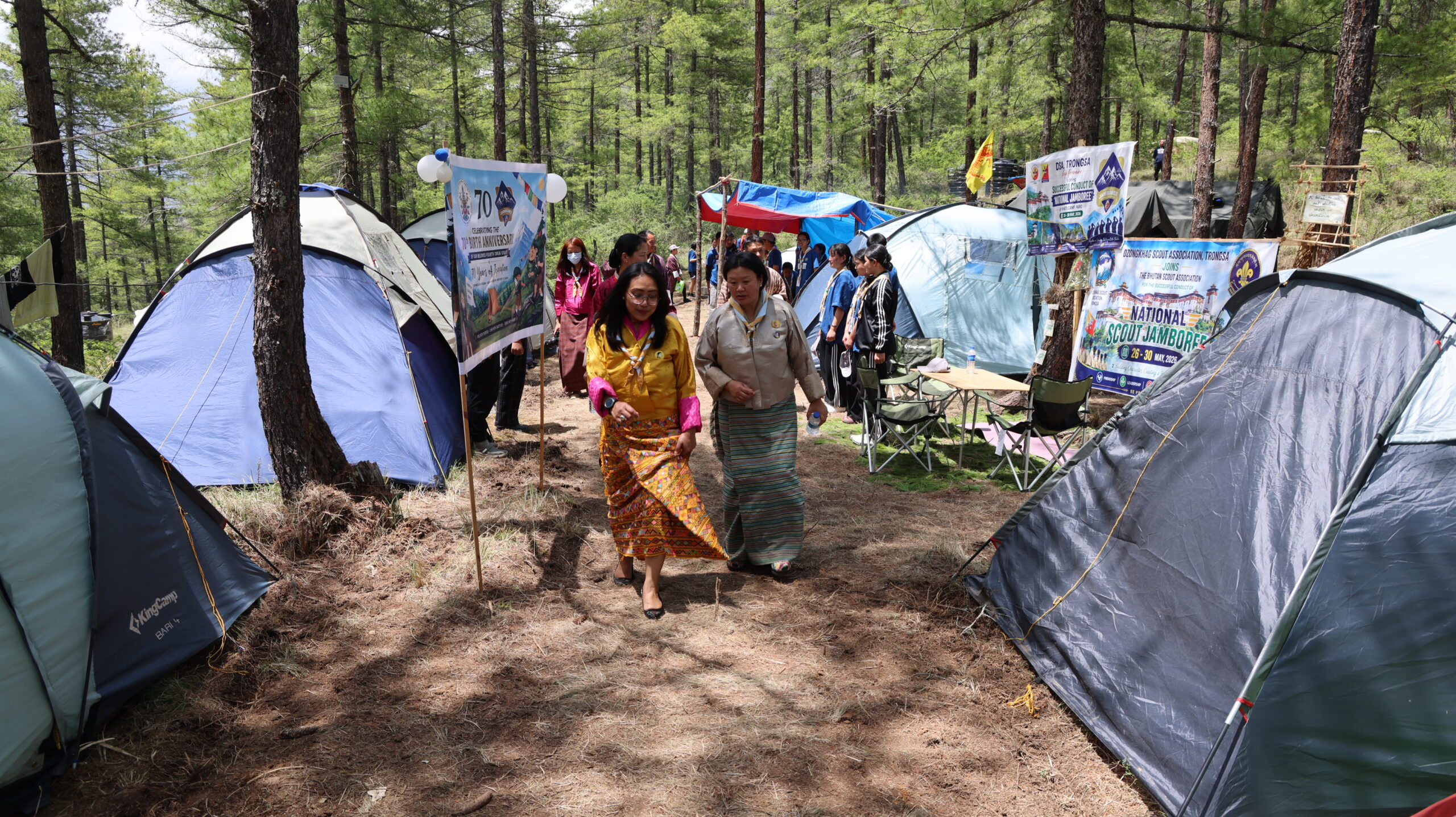
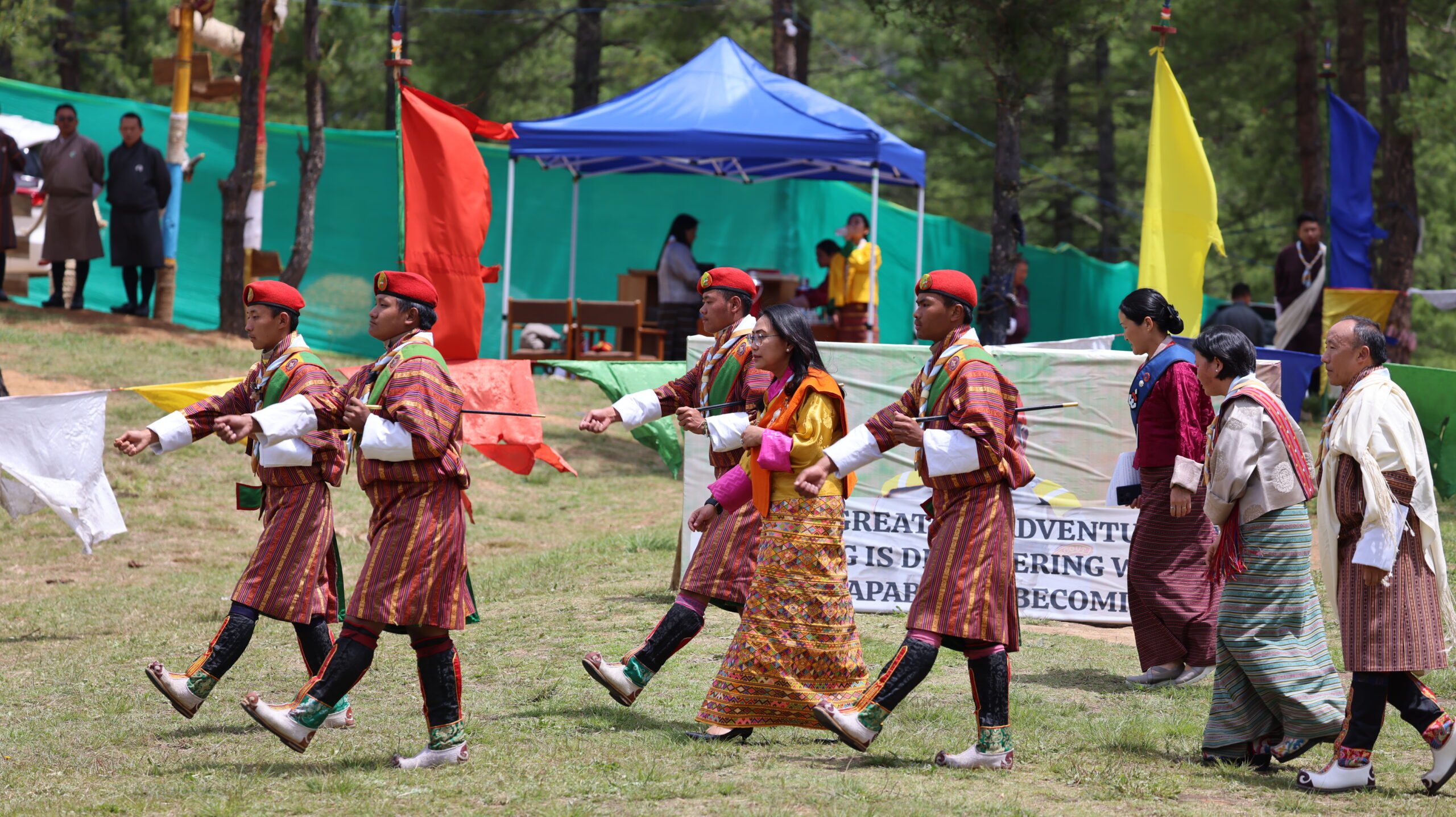
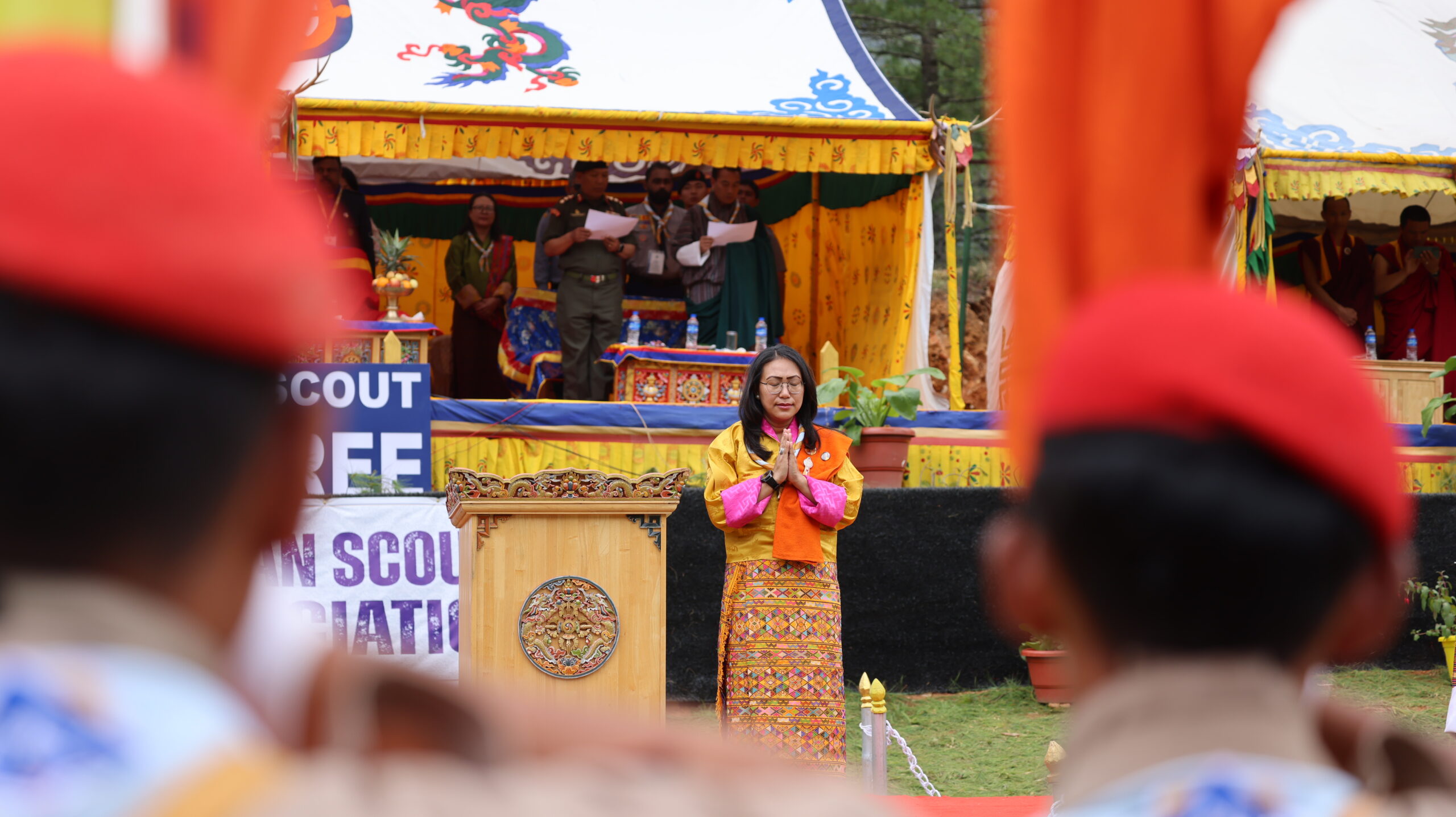
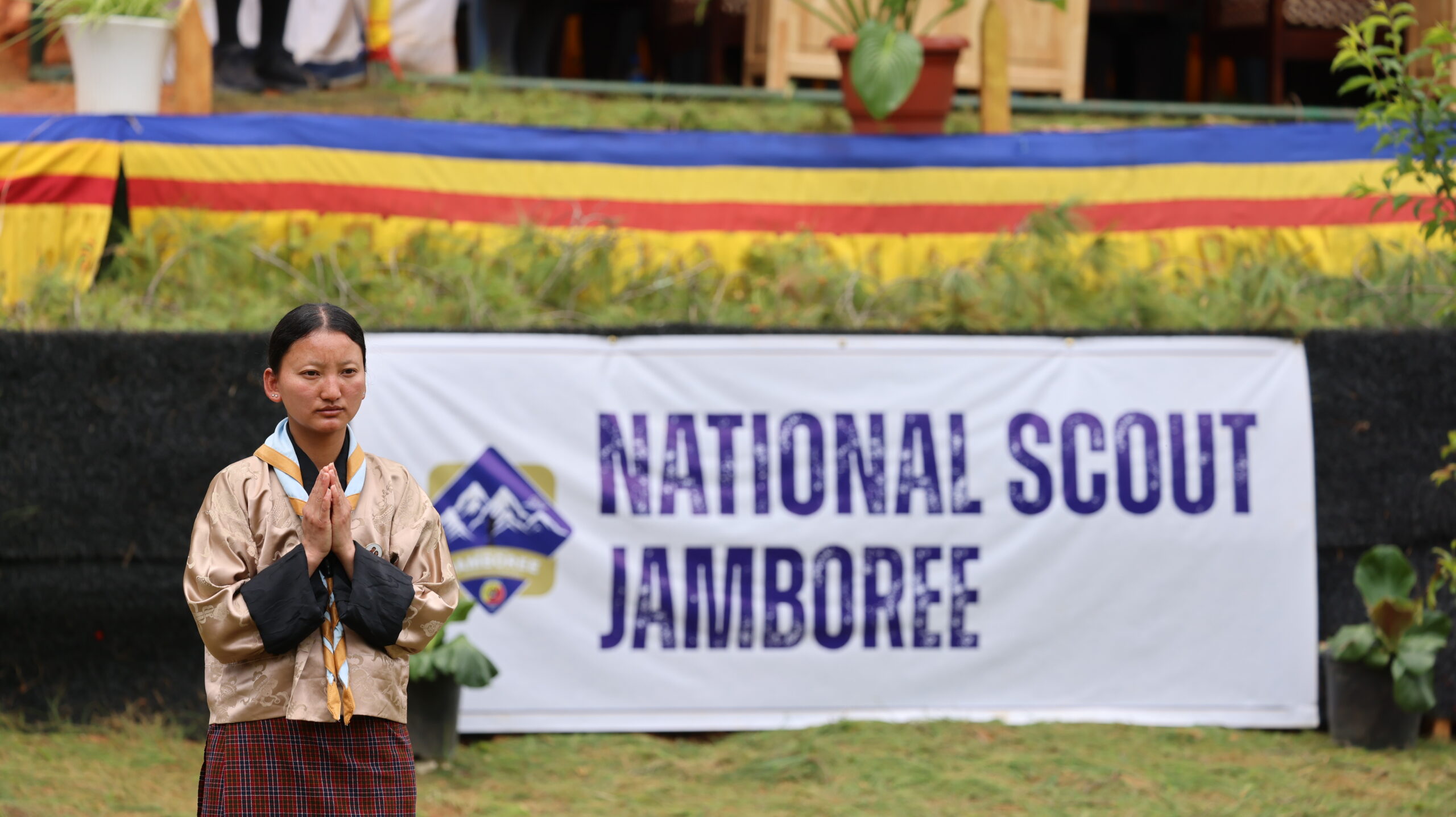
It happened yesterday at the Paro National Scouts Centre. The National Scout Jamboree 2026 had just been inaugurated. More than six hundred young people from twenty dzongkhags stood in orderly lines, joined by international delegates from Sri Lanka, India, and the Asia Pacific region. The flags rose into the mountain air. Speeches were delivered. Lyonpo Yeezang De Thapa spoke about leadership, mindfulness, and the seventy year journey of His Majesty The Fourth Druk Gyalpo. Her words carried weight, but the day would be remembered for something that came after all of it.
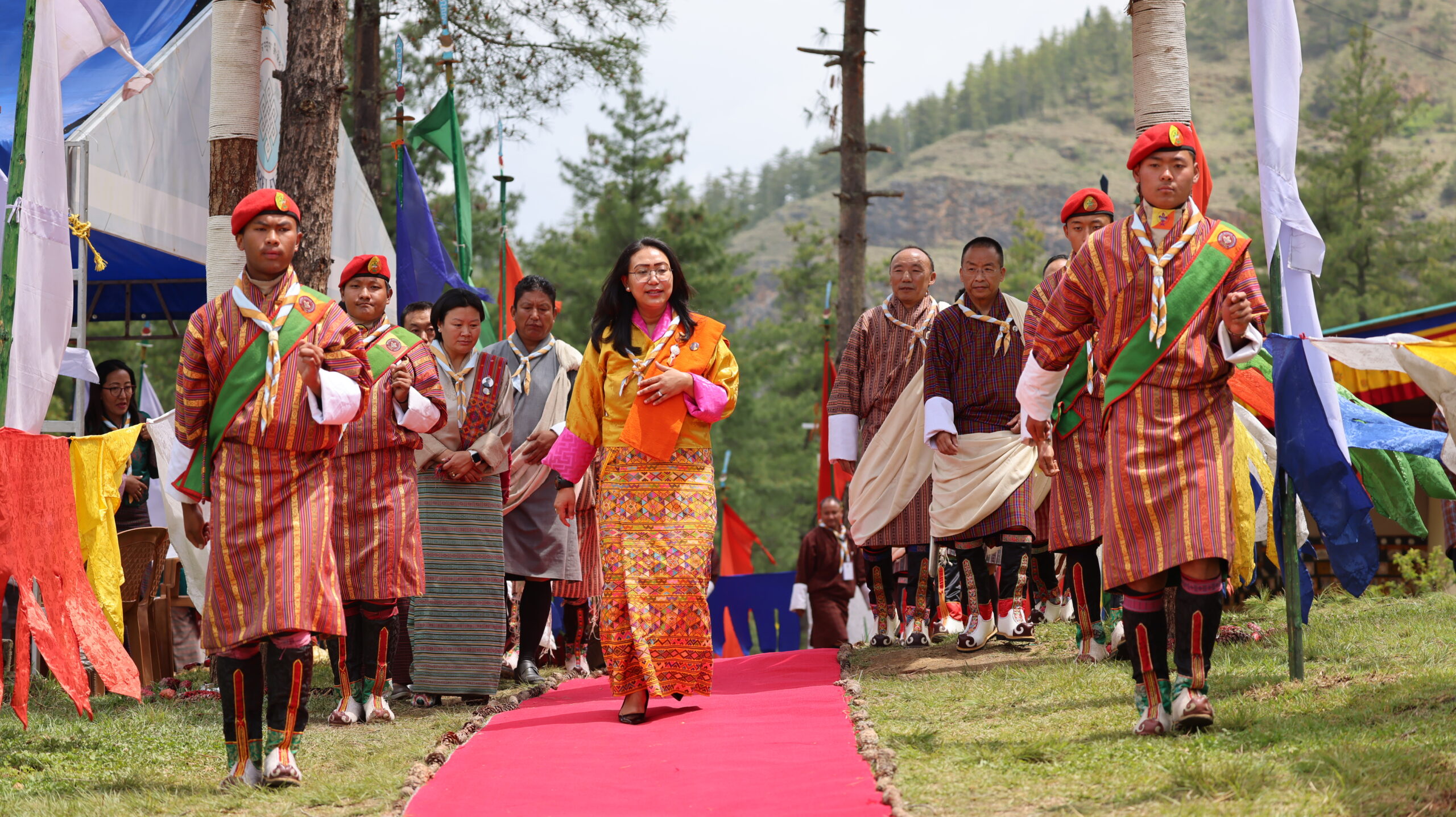
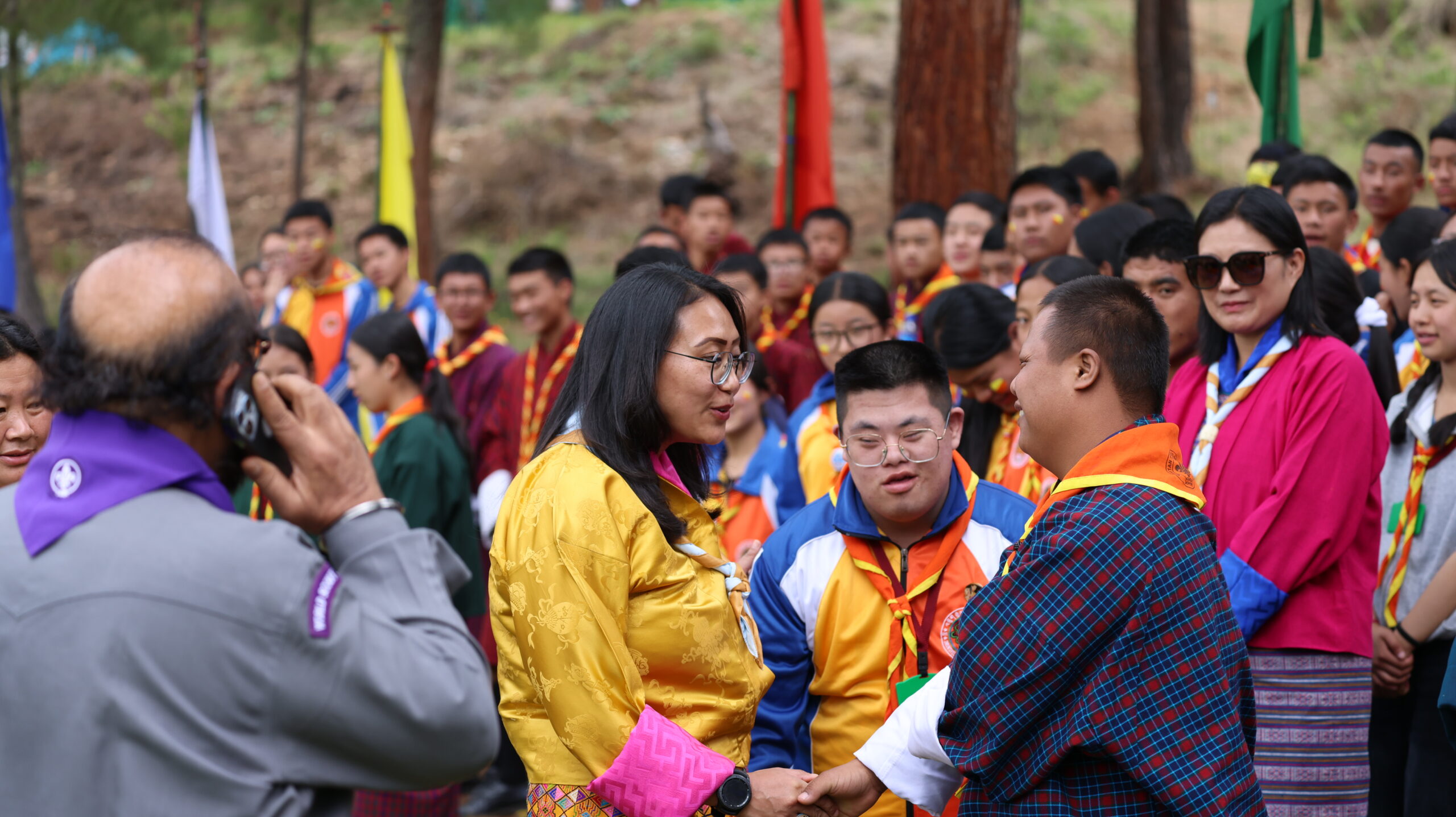
When the formalities ended, she stepped down from the stage and walked into the crowd. There was no hurry in her steps. She was not moving to a schedule. She was moving toward people. She met eyes, she greeted scouts from Trashigang, Bumthang, Samtse, and beyond. International participants stood in their different uniforms, smiling in the cold, clean air of Paro. It felt like the entire region had gathered in one field, not as strangers, but as one group learning to belong together.
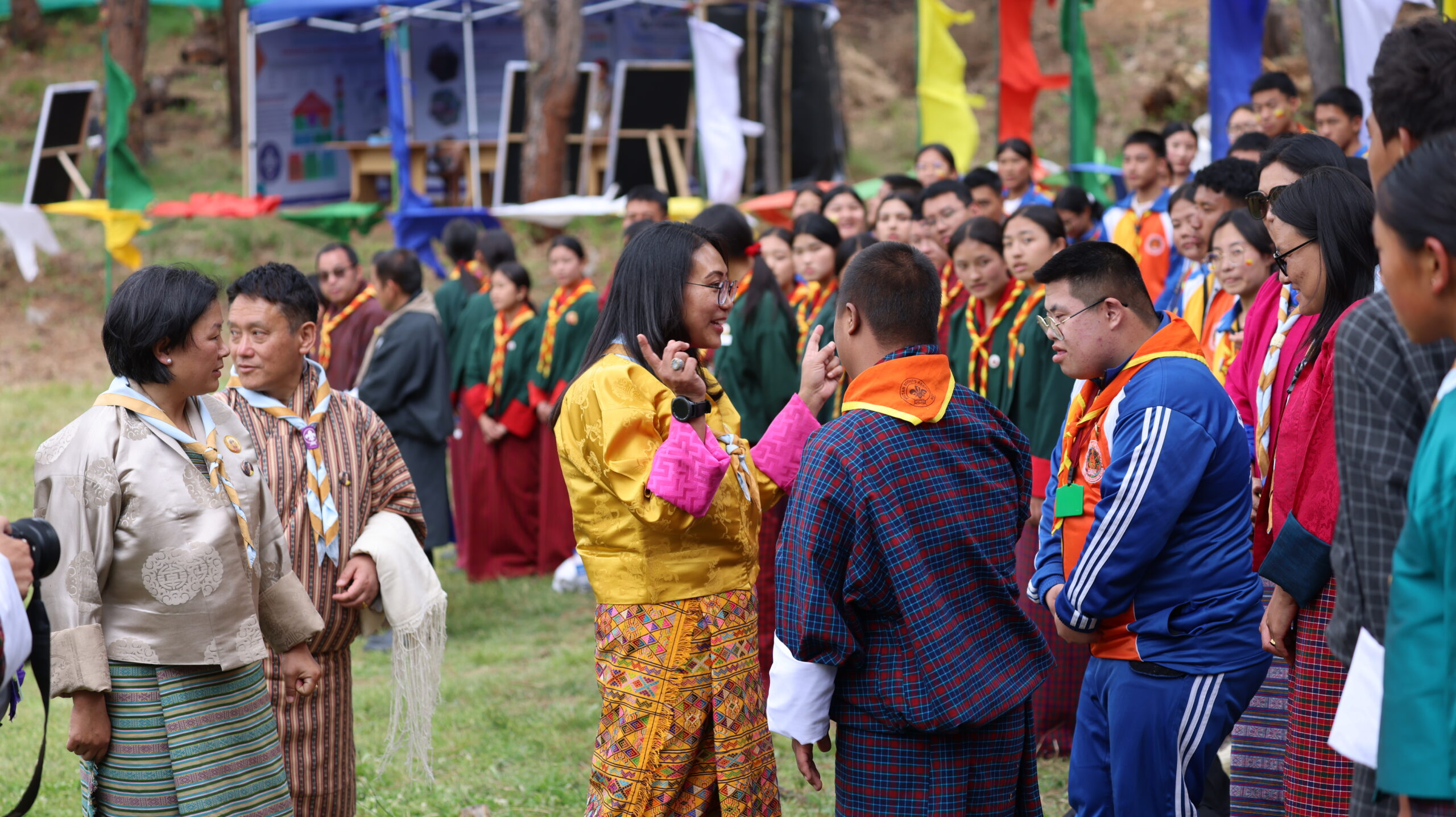
Among them were students from the Wangsel Institute for the Deaf. They stood with calm dignity, their hands speaking in silence. What made the moment remarkable was not just their presence, but how naturally they were part of everything. They were not placed at the edges of the event or treated as separate participants. They stood in the same lines, wore the same uniforms, shared the same field, and took part in every moment of the Jamboree. Interpreters stood close by, gently translating the world into sign, so that no voice was lost to them. It was inclusivity not written in policy, but lived in action. A reminder that when a nation chooses to walk together, no one is left behind, and every young person is part of the same future being shaped under the same sky.
The Minister spent time with them. She did not rush the interaction or move on after a brief greeting. She stood with them, watched their expressions, and responded with patience and attention. It was beautiful to see how fully they were part of the event, not as observers, but as participants in every sense of the word. In that space, silence did not mean absence. It meant connection in another form.
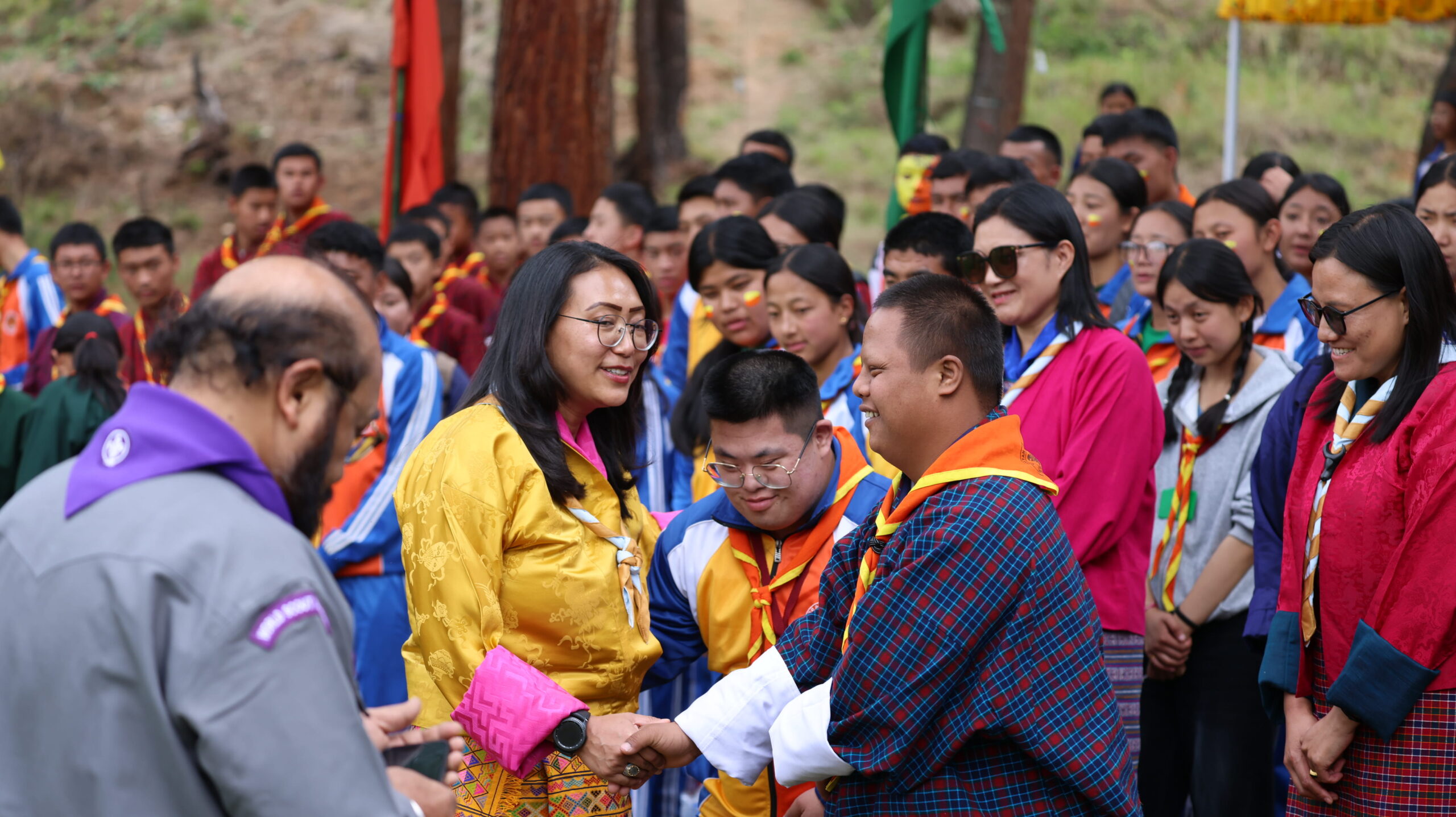
Then, in a small clearing among the crowd, two young men stepped forward. Kinley Gyeltshen, twenty two years old, who dreams of becoming a film director, and Suraj Rai, twenty six years old, who had carried long years of struggle through medical leave and uncertainty. They did not call out. They did not try to attract attention like others around them. They simply raised their hands and asked a simple question in sign, hoping for a photograph.
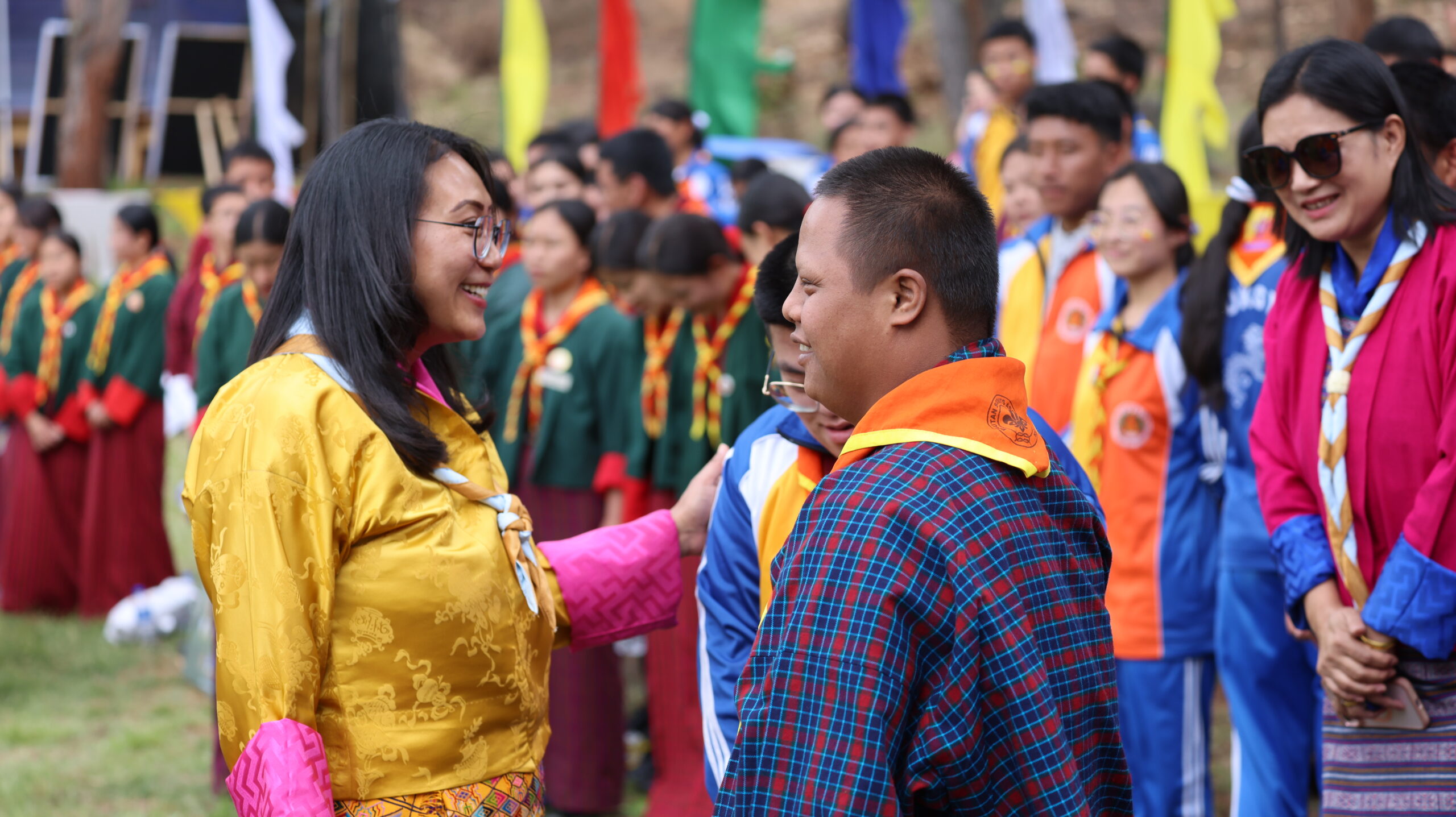
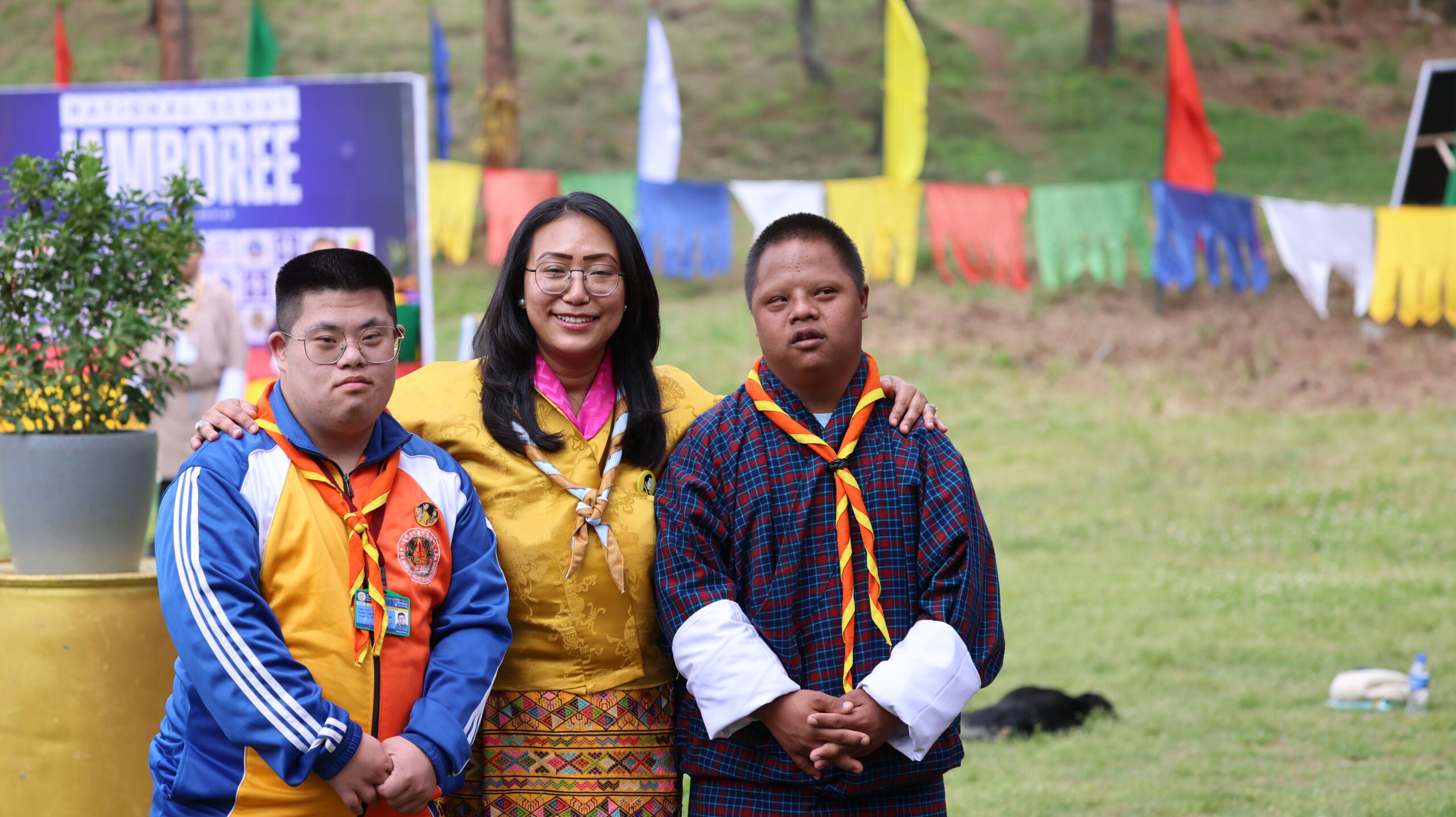
Their faces carried something gentle and fragile at the same time, a hope that did not want to be too loud in case it was not heard. The Minister did not respond with a nod or a spoken yes. She stepped forward and hugged them both. Right there, in front of hundreds of young scouts and visiting delegates, she held them in a moment that did not need translation.
Kinley stood still for a second, almost unsure if it was real. Suraj, who had often felt life move ahead without him, remained in that embrace as if time had finally paused in his favor. When they stepped back, neither of them wore the polite smile of a posed photograph. They smiled like people who had just been told, without question or condition, that they belonged.
A camera clicked. The photograph was taken. It will travel further than the field where it was captured. It will sit in homes, on desks, perhaps on walls where families gather in the evenings. Somewhere, a father who has worked long hours to support his son will look at it quietly and understand something words had never managed to say. His son was seen, not as a label, not as a limitation, but as a young man worthy of being embraced in front of the world.
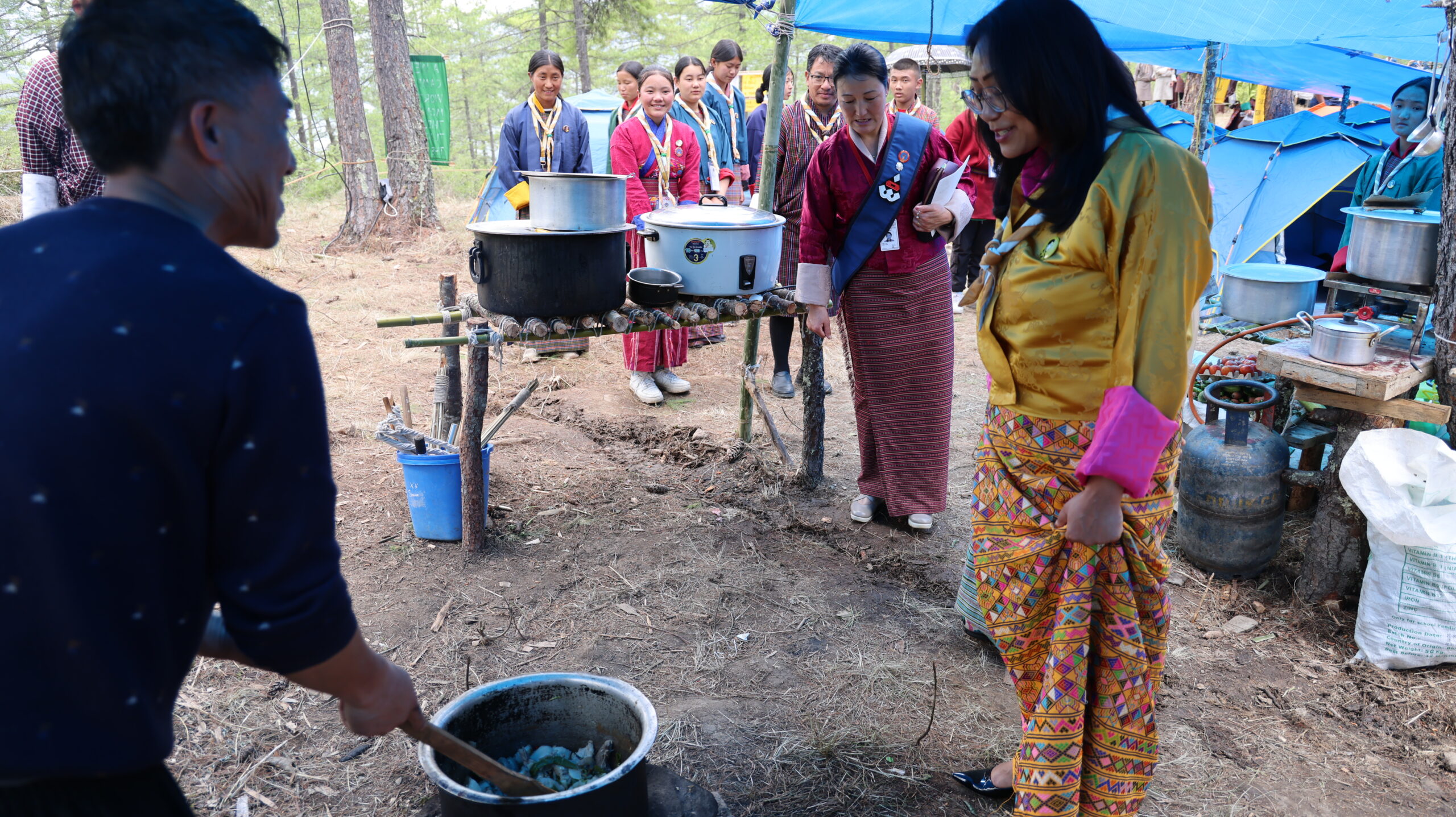
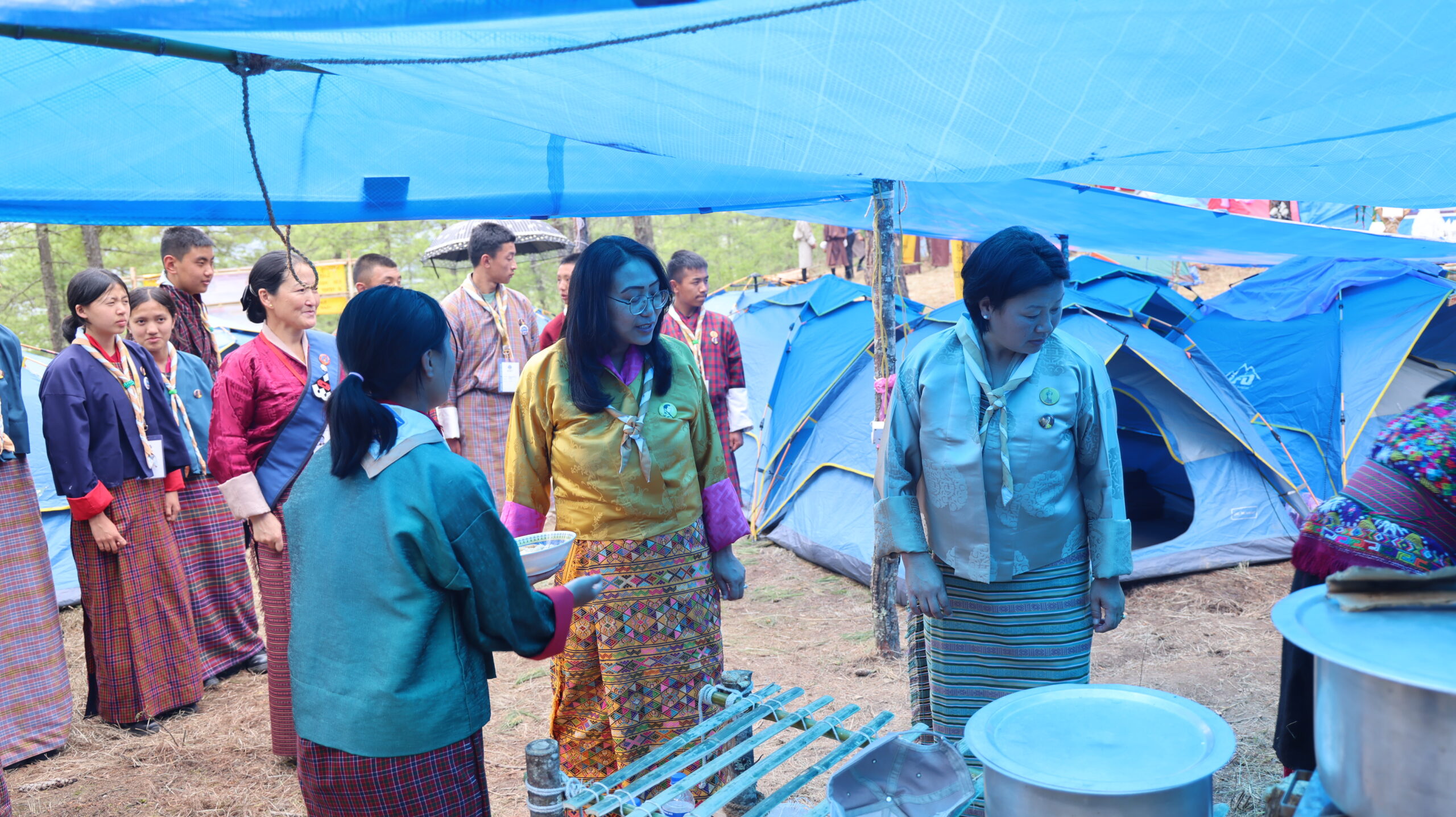
After that moment, the Minister continued walking. She reached the cooking area where students were preparing lunch. There were no outside caterers. No hotel kitchens. The scouts themselves were preparing the meal, stirring pots over open heat, laughing as they worked. This was part of what scouting teaches, to build, to serve, to share, and to trust each other with responsibility.
She stopped at one group and asked what they were making. It was not a formal question. It was warm, curious, almost like a parent speaking to a child. The students, still carrying the emotion of what had just happened, looked at each other and smiled. They told her they had prepared something special.
She did not move on. She leaned closer and said she would like to taste it. So she did.
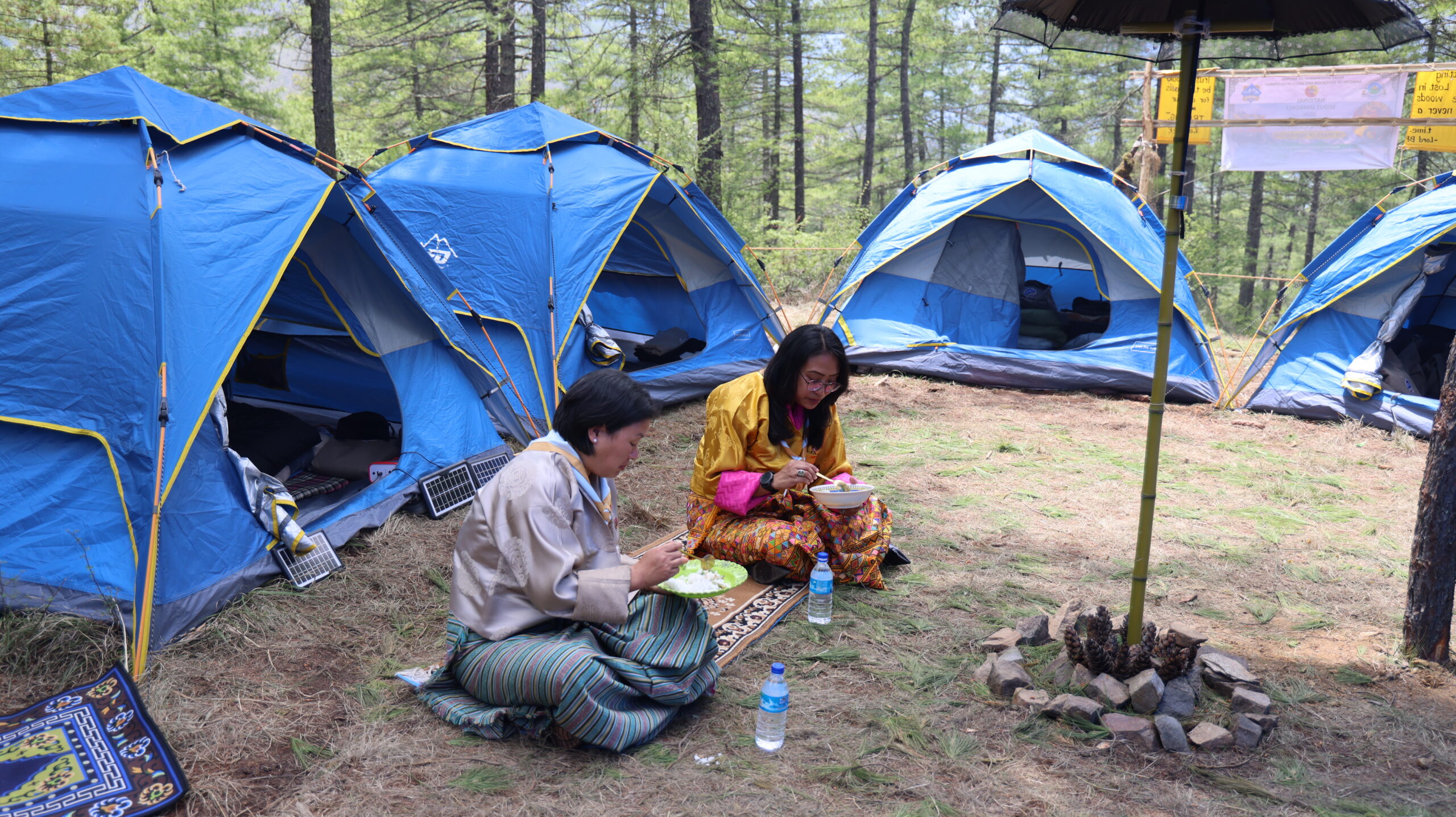
Standing among steam and simple stoves, she tasted food prepared by students who cannot hear the sound of boiling water or sizzling oil, but who have learned to cook through touch, observation, and trust in one another. When they cannot hear the changes in heat, they rely on presence, on timing shared through community, on hands tapping shoulders when something is ready. She tasted the food, nodded, and smiled. It was a simple gesture, but it carried deep meaning. It told them their work was not different. It was valued.
In that moment, the meaning of inclusion was not spoken. It was lived. Inclusion is often described in policies and plans, but here it stood in something far simpler. A hug that did not hesitate. A photograph that did not exclude. A meal that was tasted with respect. It is in these moments that a society reveals what it truly believes about its young people. When everyone is invited to the same field, the same fire, the same flag, the future becomes something shared rather than divided.
Investing in youth is not only about infrastructure or programs. It is about presence. It is about choosing to see every young person as part of the same story, whether they speak through sound or silence, whether their journey has been smooth or difficult. When they walk together, they build not only skills, but understanding. And that understanding becomes the foundation of a stronger nation.
But yesterday, at the Paro National Scouts Centre, none of that needed explanation for Suraj or Kinley. They already felt it. In the hug that lasted longer than expected. In the shared meal that became a blessing. In the photograph that will remain long after the moment has passed.
Earlier that morning, when Lyonpo spoke on stage, interpreters stood nearby, their hands moving gracefully through the air, turning words into silence that could be understood. Leadership today, she said, is not about authority. It is about empathy, responsibility, courage, and service to others.
The boys did not hear her voice, but they experienced her message in a deeper way. Not through sound, but through action.
That is the quiet truth of what happened in Paro. It was not a story about disability. It was not a program or a demonstration of inclusion. It was simply a human moment, repeated in different forms. A hug. A taste of food. A photograph. And sometimes, that is enough to change how a memory feels for a lifetime.