
ཤེས་རིག་དང་རིག་རྩལ་གོང་འཕེལ་ལྷན་ཁག།
Ministy of Education and Skills Development
Third South Asia Inclusive Makeathon for Assistive Technology 2026
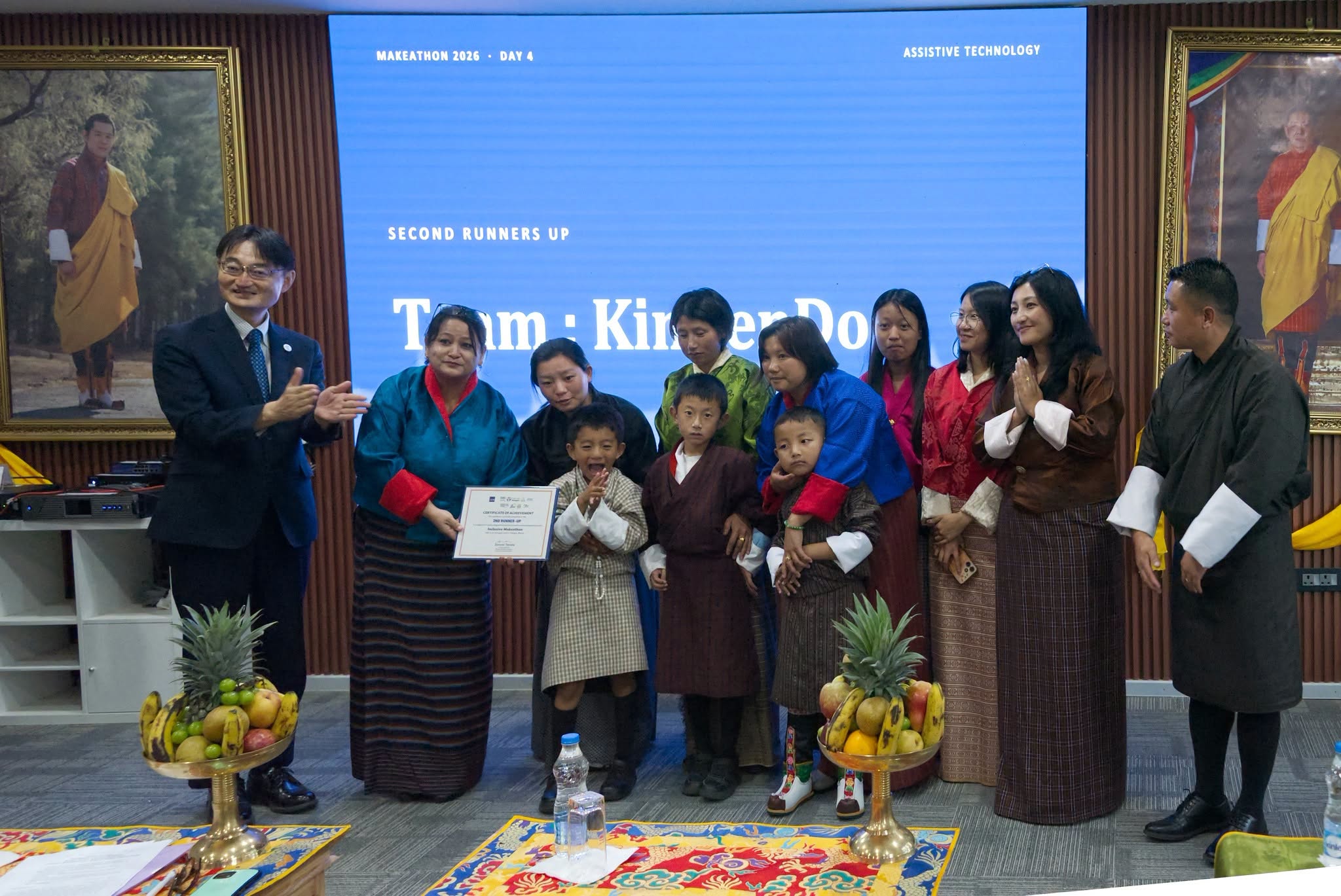
The Third Inclusive Makeathon for Assistive Technology 2026, held from August 28 to 31 at the Startup Center in Thimphu, concluded successfully after four days of learning, creativity, collaboration, and innovation.
The Makeathon brought together children and young people with disabilities, referred to as “need knowers,” with SEN coordinators from schools, parents and caregivers, Inclusive focal from TTIs, IZCs, fabrication experts, technical professionals, and development partners.
A total of nine teams were formed, each bringing together people with different experiences and skills to work towards a common goal of developing practical assistive technology solutions that respond to the everyday needs of children and young people with disabilities. Regional participants from India, Bangladesh, Sri-Lanka and Nepal included occupational therapists and digital fabricators.
During the program, the teams listened to the experiences of the need knowers, discussed the challenges they face, explored possible solutions, and worked together to design and fabricate prototypes using 3D printing and digital fabrication technologies. The children and young people were at the centre of this process, providing feedback and helping the teams improve their ideas. This made the Makeathon a truly collaborative experience, where the people who would use the devices also played an important role in shaping them.
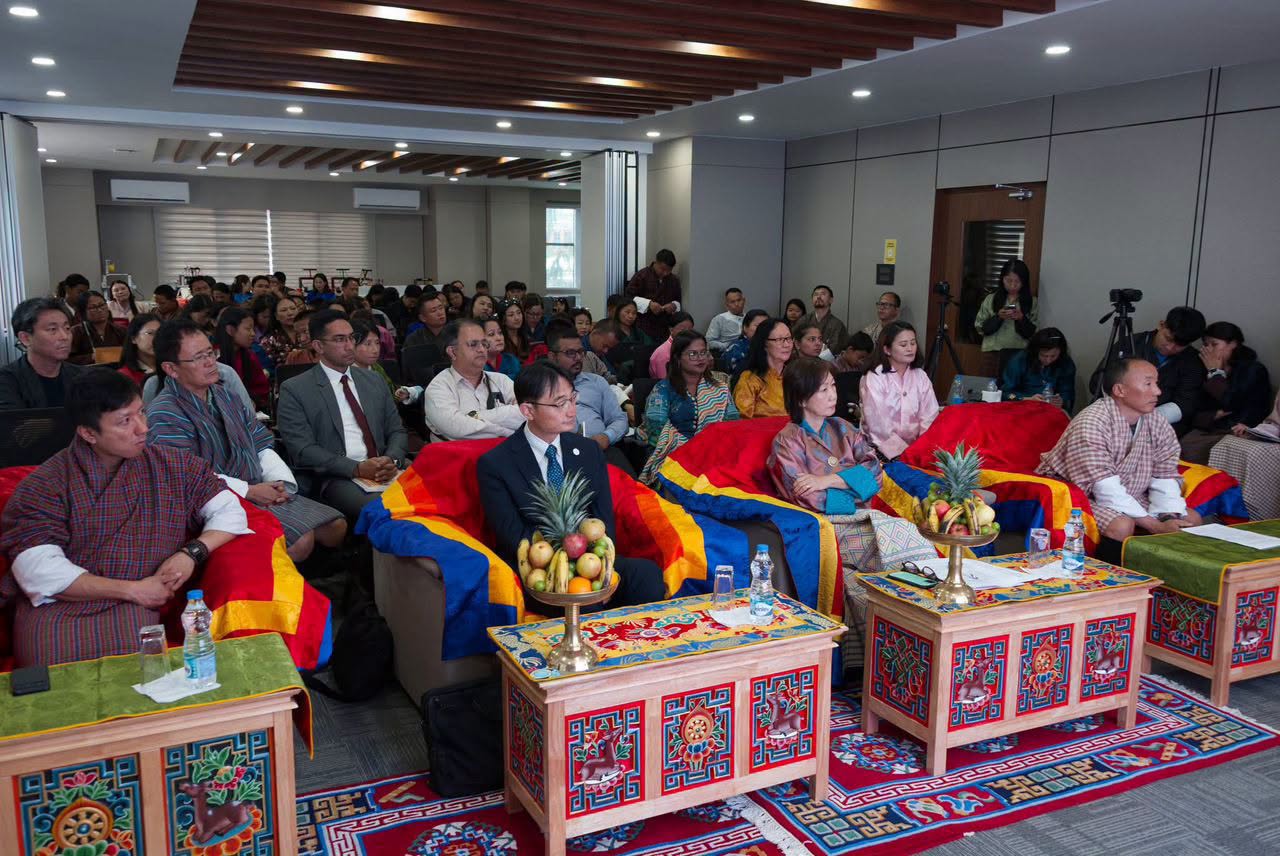
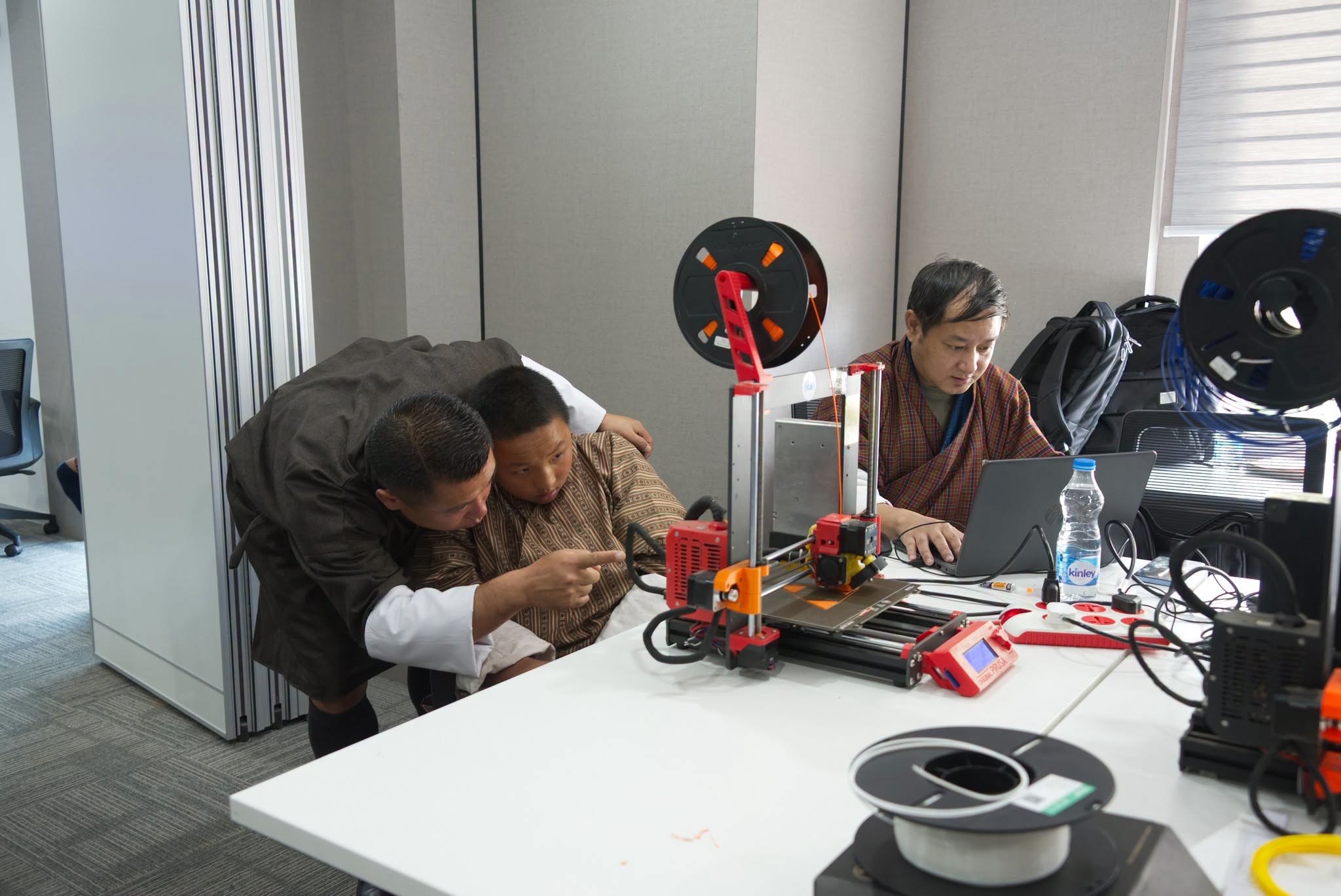
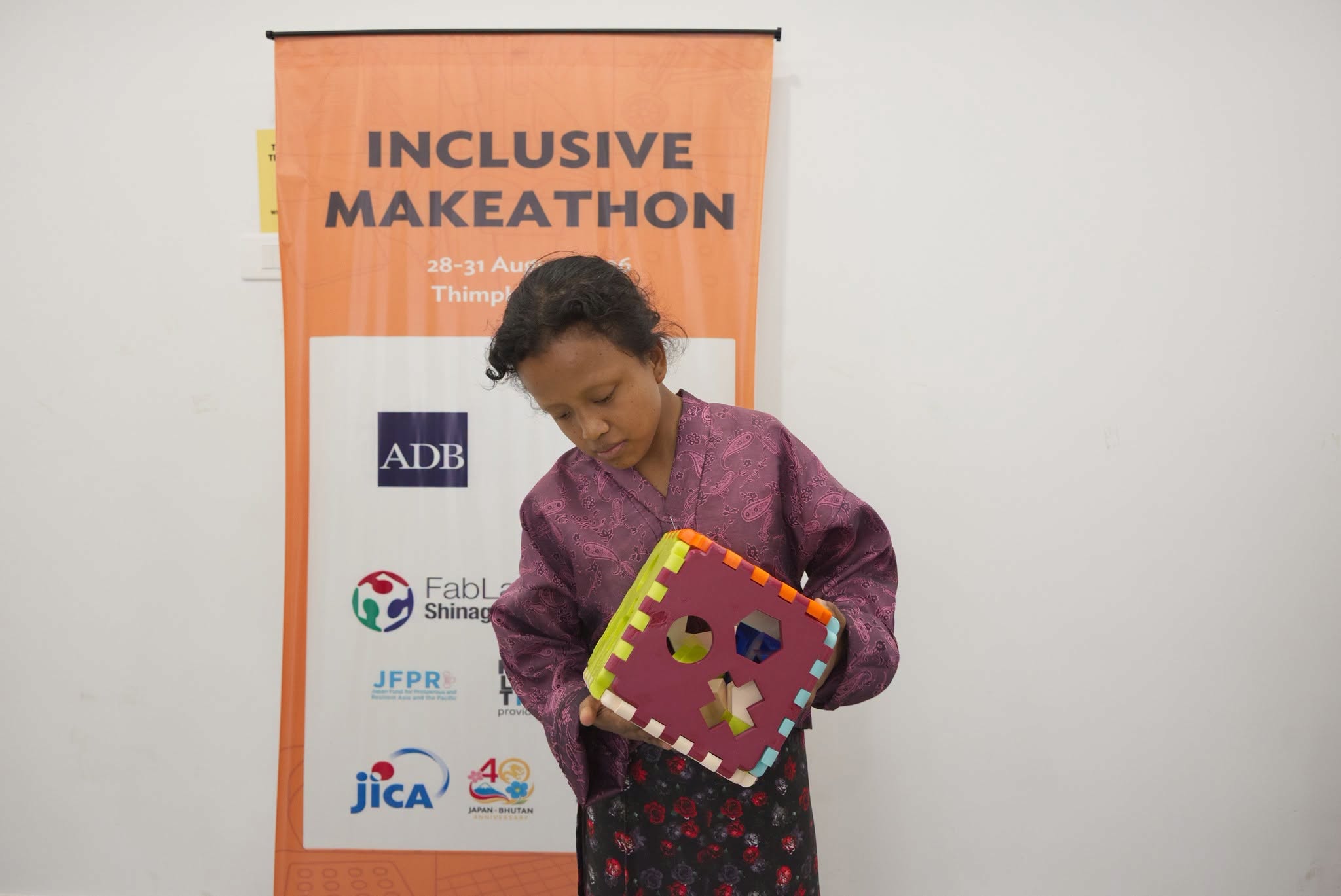
At the conclusion of the event, the winning teams were awarded project implementation support to continue developing, testing, and refining their prototypes.
The other participating teams were also encouraged and supported to take their ideas forward through collaboration with Jigme Namgyel Wangchuck SuperFab Lab (JNWSFL) and other technical experts. Opportunities for continued technical guidance and collaboration with experts from the Asian Development Bank (ADB) and FabLab Shinagawa will also help the teams further improve and develop their solutions.
The closing ceremony was graced by the Director General, Department of Workforce Planning and Skills Development, Ms. Sonomi Tanaka, Country Director, Bhutan Resident Mission, ADB; Mr. Kimata Yoichiro, Resident Representative, JICA Bhutan; the Director of JNWSFL; and officials and representatives from development partners and participating organisations.
More than the prototypes that were developed, the Makeathon demonstrated what can happen when people from different backgrounds come together and listen to one another. It showed that technology can be a powerful tool for inclusion when it begins with a real need and is developed together with the people who will use it.
As the Third South Asia Inclusive Makeathon comes to a close, the journey of the prototypes and partnerships developed over the Four days will continue. The way forward will be to further test, refine, and implement the most promising ideas in real-life settings. Through continued collaboration among schools, families, technical institutions, fabrication communities, and development partners, the initiative aims to ensure that practical and affordable assistive technology solutions can reach and benefit more children and young people with disabilities across Bhutan.
Ministry of Education & Skills Development
- MoESD, Peling Lam, Kawajangsa, Thimphu, Bhutan
- Postal Code: 11001
- P.O. Box: 112
ICT Services
Important Links
- RENEW
- G2C Services
- Ministry of Health
- Ministry of Finance
- Audit Clearance System
- Asset Declaration System
- Zhiyog Electronic System (ZESt)
- Security Clearance System
- Department of Revenue & Customs
- Government Inventory Management System
- Ministry of Agriculture and Livestock
- Ministry of Industry, Commerce and Employment