
ཤེས་རིག་དང་རིག་རྩལ་གོང་འཕེལ་ལྷན་ཁག།
Ministy of Education and Skills Development


Bhutan Reaffirms Commitment to Ending Violence Against Children at South Asia Ministerial Conference
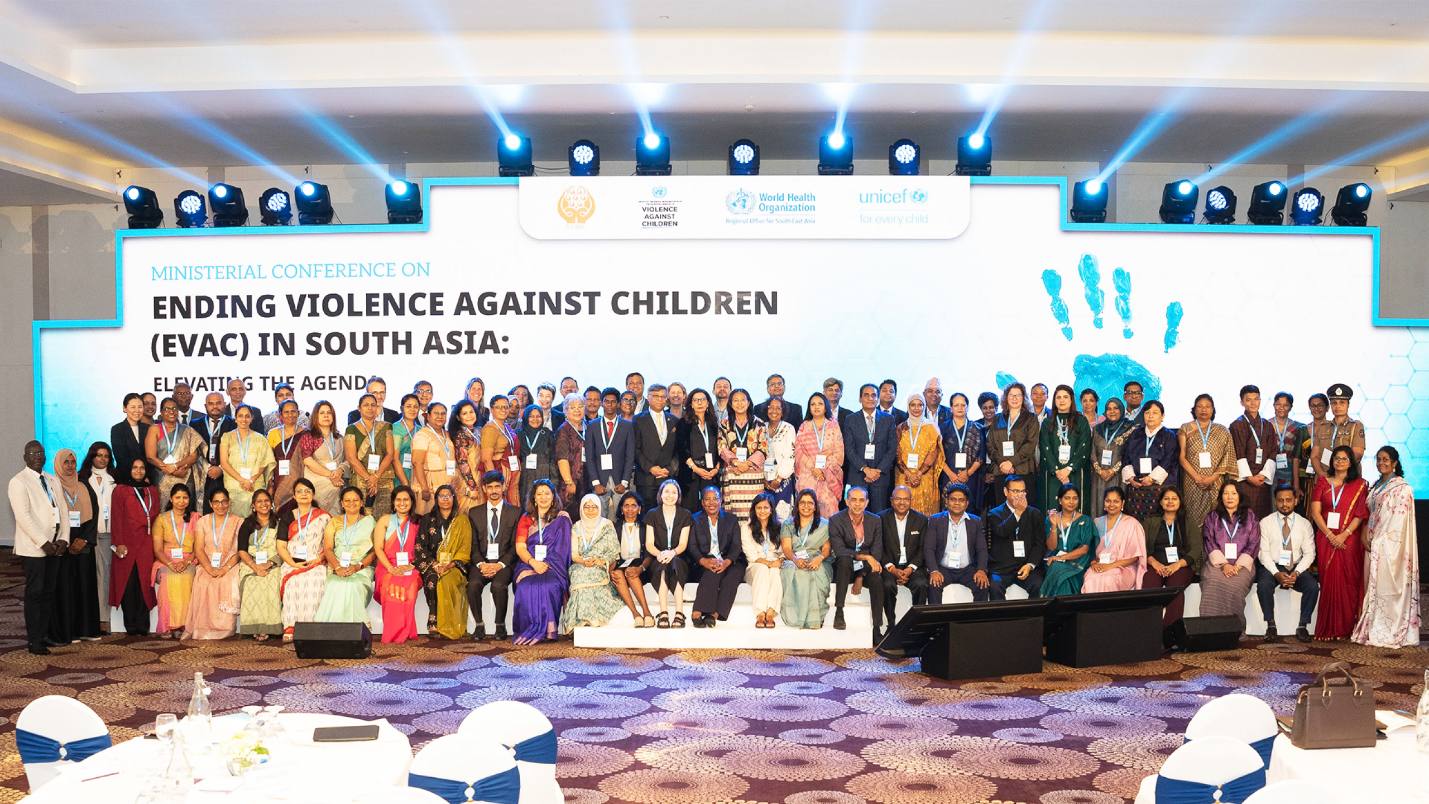
Bhutan reaffirmed its unwavering commitment to ending violence against children during the South Asia Ministerial Conference on Ending Violence Against Children, held in Colombo, Sri Lanka, from 23–24 June 2026.
Representing the Royal Government of Bhutan at the conference, the Hon’ble Education Lyonpo joined ministers, policymakers, development partners, and child rights advocates from across South Asia to review progress and strengthen regional cooperation to end violence against children.
The conference served as a platform to reinforce commitments made during the First Global Ministerial Conference on Ending Violence Against Children in Bogotá, Colombia in 2024, where Bhutan pledged to eradicate violence against children. Since then, Bhutan has continued to strengthen its social support systems and implement initiatives that promote the rights, safety and wellbeing of every child.
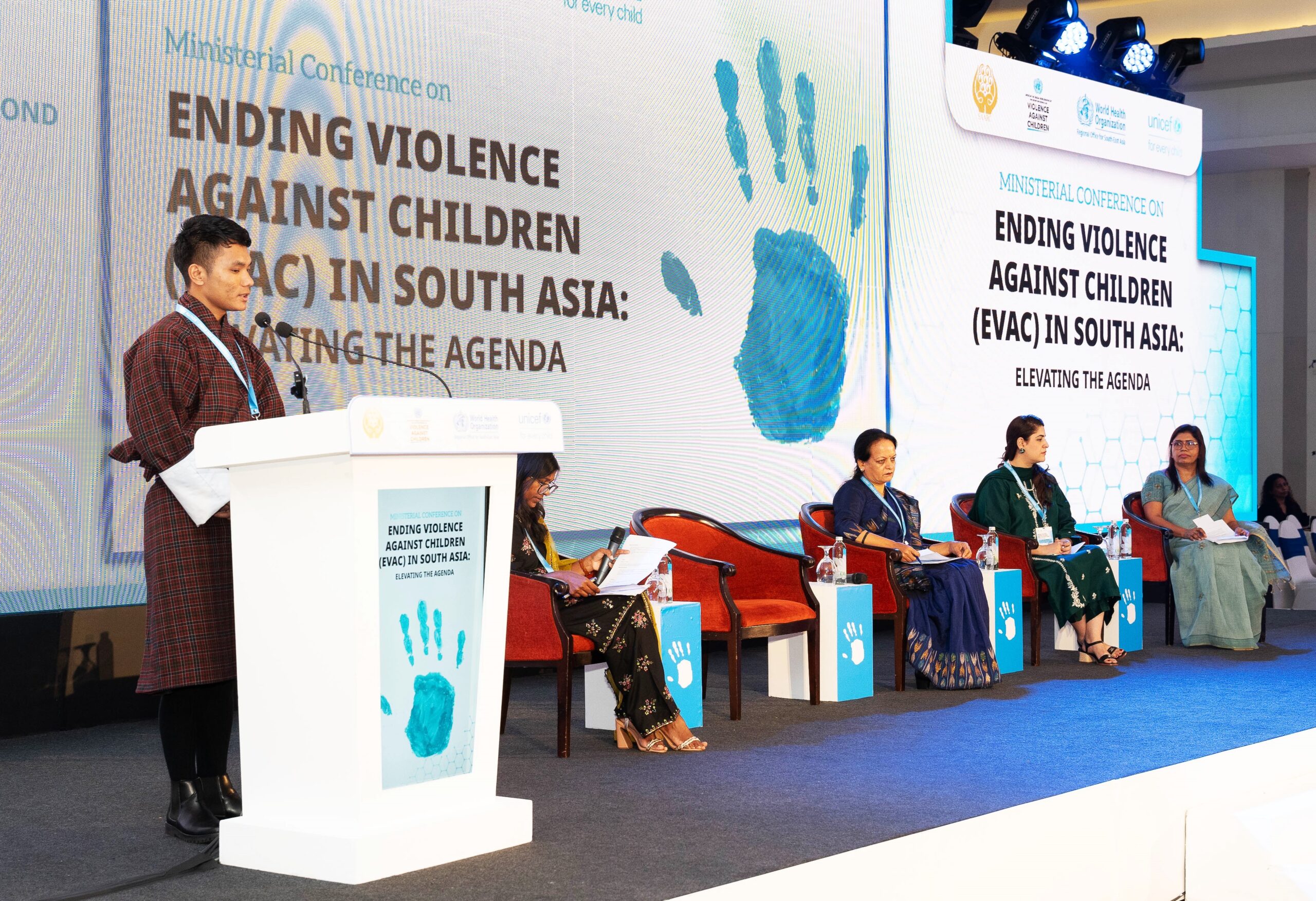
During the conference, Bhutan presented a comprehensive overview of its progress under the Bogotá pledges, highlighting achievements in several key areas, including child protection, mental health and psychosocial support, parenting and caregiver support, the creation of safe school environments, and significant policy reforms aimed at safeguarding children.
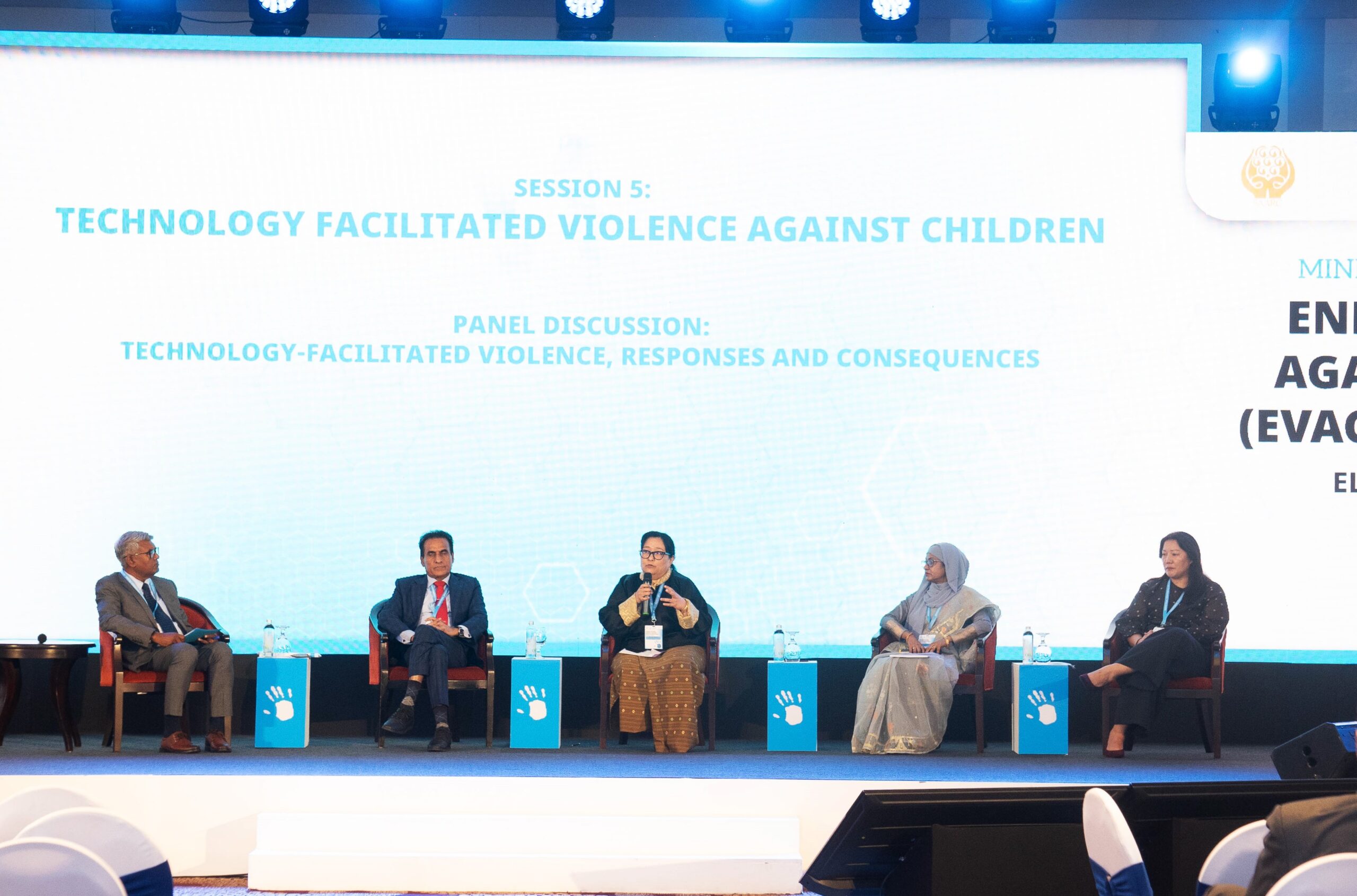
In addition, Bhutan participated in a panel discussion focused on technology-facilitated violence, showcasing its proactive approach to addressing emerging challenges in child safety.
The conference concluded with a renewed commitment from regional leaders to collaborate more effectively in their efforts to end violence against children. The Children’s Call to Action will serve as a powerful reaffirmation of South Asia’s collective resolve to protect its most vulnerable citizens.
On the sidelines of the conference, Lyonpo engaged in high-level discussions with H.E. Ambassador Md. Golam Sarwar, the SAARC Secretary General, and Dr. Najat Maalla M’jid, the UN Special Representative of the Secretary-General on Violence Against Children. These dialogues focused on critical priorities, including child protection, early childhood development, disability inclusion, education, online safety, and capacity building for frontline workers.
Ministry of Education & Skills Development
- MoESD, Peling Lam, Kawajangsa, Thimphu, Bhutan
- Postal Code: 11001
- P.O. Box: 112
ICT Services
Important Links
- RENEW
- G2C Services
- Ministry of Health
- Ministry of Finance
- Audit Clearance System
- Asset Declaration System
- Zhiyog Electronic System (ZESt)
- Security Clearance System
- Department of Revenue & Customs
- Government Inventory Management System
- Ministry of Agriculture and Livestock
- Ministry of Industry, Commerce and Employment