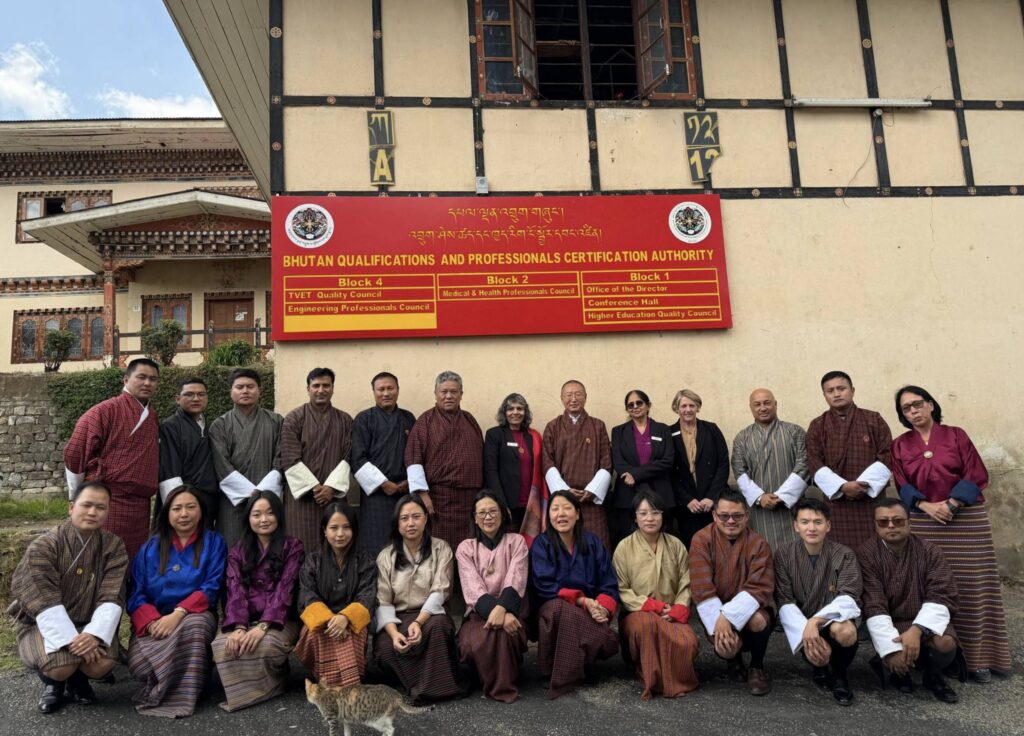



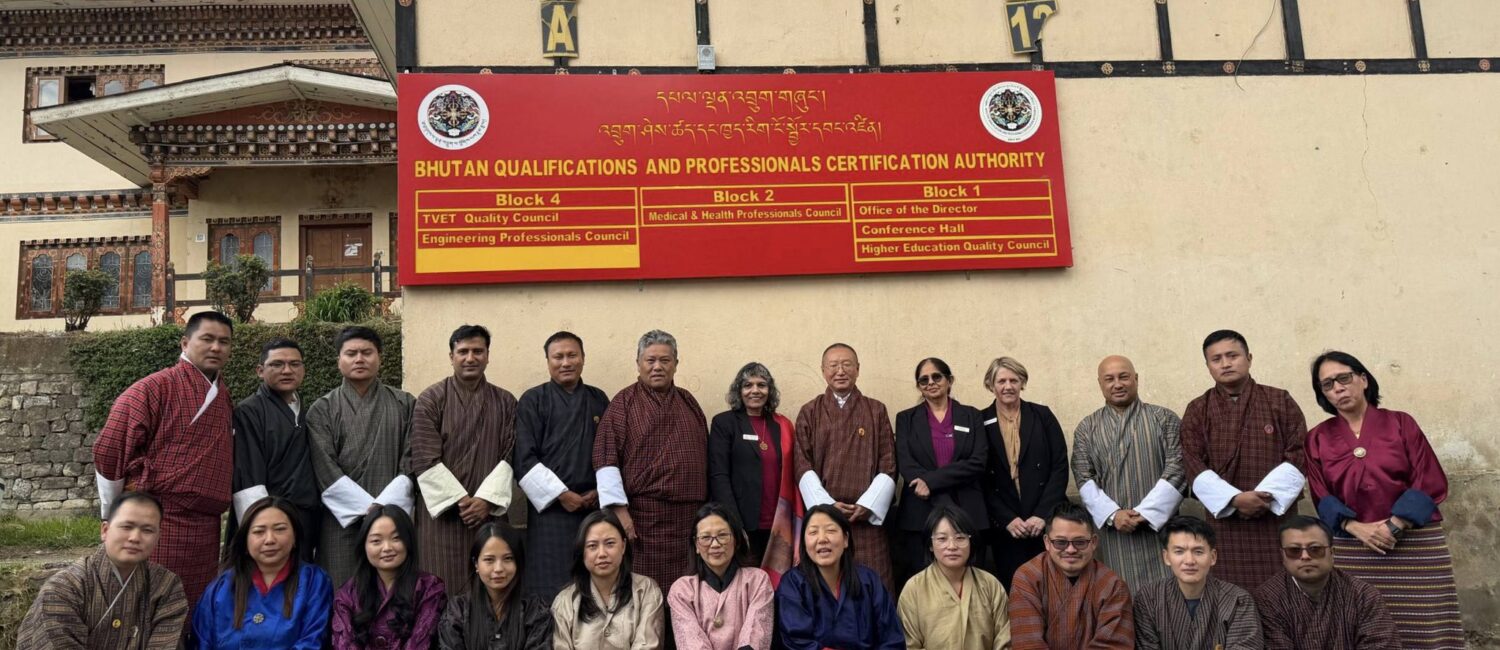
The Bhutan Qualifications and Professionals Certification Authority (BQPCA), under the Ministry of Education and Skills Development (MoESD), in collaboration with Griffith University, conducted a follow-up programme under the short-term capacity-building initiative on Quality Assurance in Higher Education, supported by the Australian Government through Australian Awards (DFAT).
As part of this engagement, visiting professors delivered a day-long specialised training on Research Methodology for BQPCA officials on 13 April 2026. The training aimed to strengthen applied research skills and enhance officials’ ability to bridge policy, practice, and evidence.
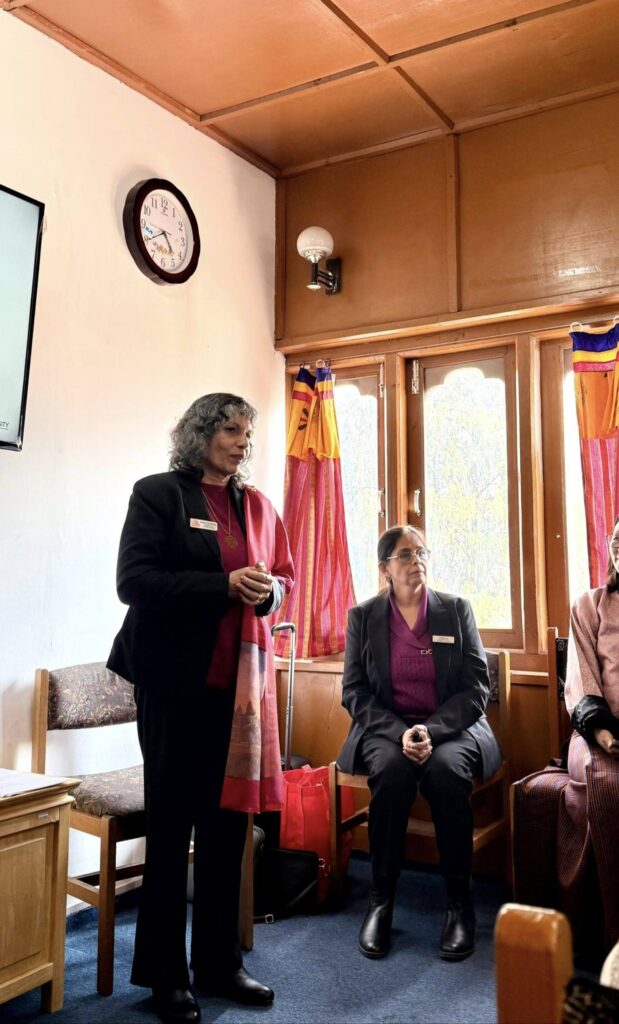
The session was led by Professor Sarojini Choy, with opening remarks by Dr Sangita De, who outlined the broader programme and future plans. Participants gained practical insights into research design, methodology, and ethics.
A key highlight was the critical examination of how research can inform policy. Participants were encouraged to ask: What has not been measured, and why? Whose perspectives are missing? What unintended consequences may arise? The session also emphasised scrutinising consultant-led research, including how questions are framed and evidence selected.
The training explored the research–policy–practice nexus, noting challenges such as overreliance on quantitative data and risks of misinterpretation. Emphasis was placed on applied research, with Professor Sarojini highlighting the role of practitioners as insiders linking research to policy and action.
Participants were introduced to the three phases of research—deciding, planning, and conducting—and key data collection tools, including surveys, interviews, focus groups, and participatory methods. Ethical considerations such as consent, privacy, and cultural sensitivity were emphasised.
The session also promoted a shift from “best practice” to “best-fit” approaches suited to Bhutan’s context. In the afternoon, participants explored Critical Participatory Action Research (CPAR), a collaborative approach that empowers practitioners to drive continuous improvement.
The training marks an important step in strengthening research capacity within BQPCA and reinforces its commitment to evidence-based policy and quality assurance in Bhutan.
A three-day Applied Learning Programme will follow from April 14 to 16, involving 20 participants from BQPCA and partner agencies, including MoIT, KGUMS, MoH, DSE, and the MoESD Secretariat.